Project management tools like , Notion, Basecamp, Lark, Slack, Asana and Trello.
AI chatbot tools like ChatGPT, Grok, Perplexity, Claude, Gemini and Copilot.
Marketing analytics platforms like Google Analytics, Similarweb and Semrush.
CRM systems like HubSpot, Apollo.io Pipedrive, Zoho CRM, and Salesforce.
VPNs, SSO providers, and password managers like NordVPN, Okta, and LastPass.
Email marketing and campaign tools like MailerLite, Instantly, and Mailchimp.
Website builders, hosting tools like Hostinger, Webflow, Framer, and Shopify
HR and recruiting software like ATS platforms, BambooHR, Workday, and Lever.
Automate finances with confidence like Quickbooks, Stripe, Brex, and Mercury.
Design and editing tools like Figma, Canva, Adobe Creative Cloud, CapCut.
Workflow automation tools like Zapier, Make, Clay, and Reclaim.ai.
No-code and AI-native dev tools like Cursor, Windsurf, Lovable and Bubble.

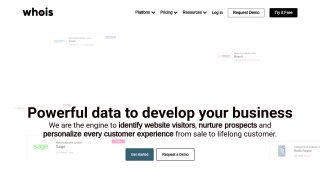
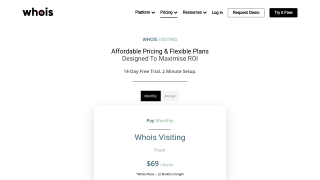
Whoisvisiting.com identifies B2B website visitors, turning anonymous traffic into actionable leads. Key features include real-time notifications, trigger-based lead insights, and segmentation by geography and keywords. Designed for marketers, it stands out for ease of use and affordability compared to competitors like Act-On or HubSpot. Priced from $69/month, it’s ideal for small-to-mid-sized businesses prioritizing lead tracking over detailed personalization. Pros include its intuitive interface and effective notifications; cons are data limitations with larger organizations and lack of a mobile app. Customer support is responsive, with options for hands-on assistance. Overall, cost-effective for modest budgets.
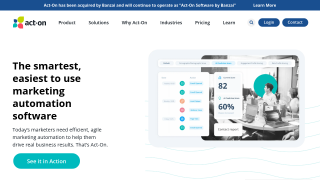
Act-On is a comprehensive marketing automation platform tailored for businesses seeking customer lifecycle engagement. Key features include dynamic lead scoring, CRM integrations, landing page/email design tools, and multi-channel engagement. Priced at $900/month (Professional) and $2,000/month (Enterprise), it’s ideal for mid-size to enterprise-level marketers. Pros: user-friendly automation and robust analytics; cons: outdated UX, limited customization vs. alternatives like HubSpot or Salesforce Marketing Cloud. Customer support is reliable, though slightly slower recently. While cost-effective, smaller businesses may find simpler tools like Mailchimp more suitable.