Project management tools like , Notion, Basecamp, Lark, Slack, Asana and Trello.
AI chatbot tools like ChatGPT, Grok, Perplexity, Claude, Gemini and Copilot.
Marketing analytics platforms like Google Analytics, Similarweb and Semrush.
CRM systems like HubSpot, Apollo.io Pipedrive, Zoho CRM, and Salesforce.
VPNs, SSO providers, and password managers like NordVPN, Okta, and LastPass.
Email marketing and campaign tools like MailerLite, Instantly, and Mailchimp.
Website builders, hosting tools like Hostinger, Webflow, Framer, and Shopify
HR and recruiting software like ATS platforms, BambooHR, Workday, and Lever.
Automate finances with confidence like Quickbooks, Stripe, Brex, and Mercury.
Design and editing tools like Figma, Canva, Adobe Creative Cloud, CapCut.
Workflow automation tools like Zapier, Make, Clay, and Reclaim.ai.
No-code and AI-native dev tools like Cursor, Windsurf, Lovable and Bubble.

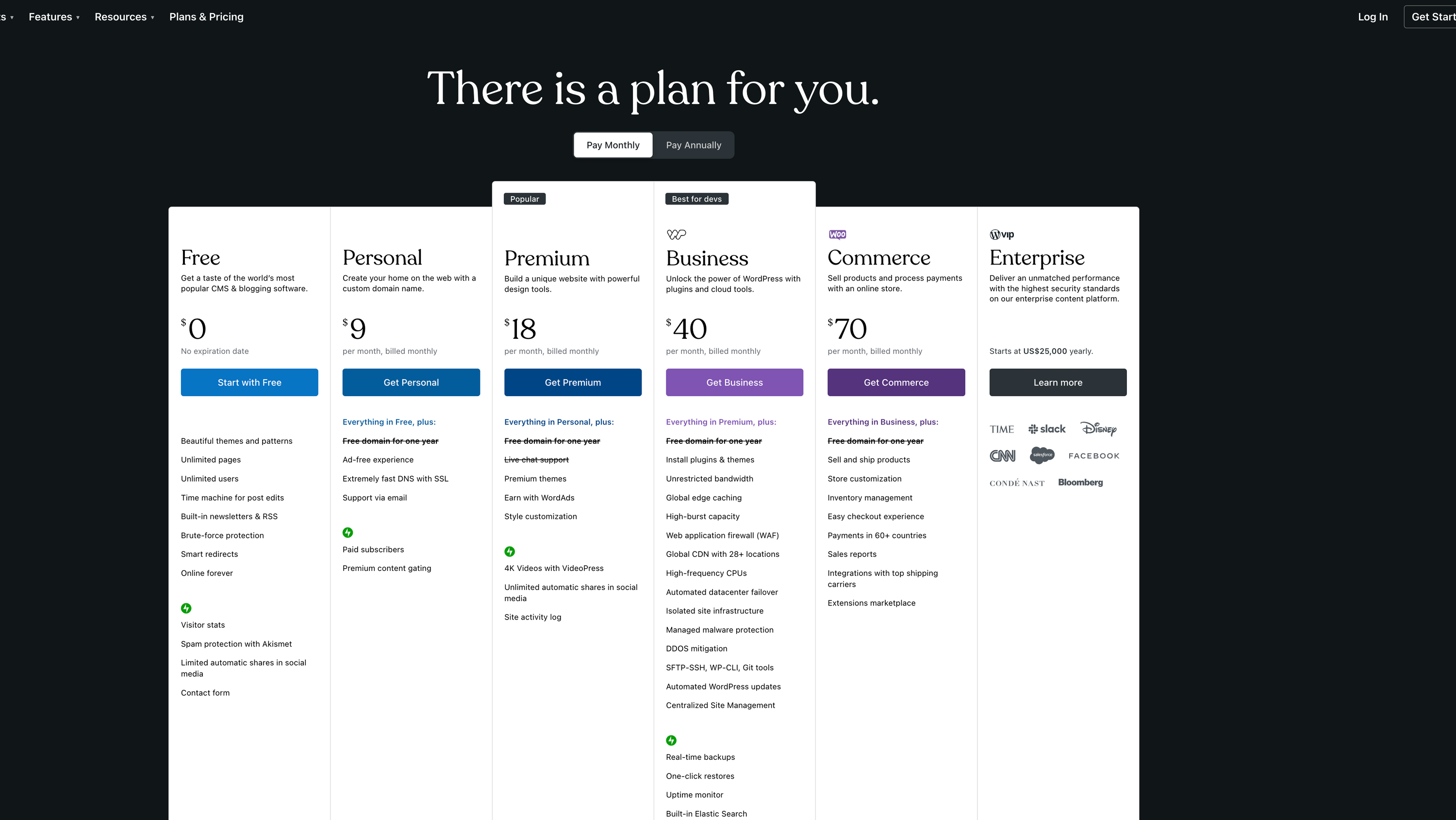
WordPress is a versatile and scalable website builder ideal for developers, designers, and marketers. Key features include customizable templates, SEO tools, e-commerce support, and extensive plugin options. It offers free and paid plans starting at $4/month. Compared to alternatives like Wix and Webflow, WordPress offers unmatched flexibility but requires more technical knowledge. Developers value its customization and open-source functionality, while non-technical users may face a learning curve. Support includes a large community and live options on premium plans. Cost-effective for advanced users, but managing plugins and updates can be time-intensive.
Shopify, a leading e-commerce platform, offers easy store setup, multiple templates, integrated payment options, inventory management, and multi-channel sales tools. Targeting businesses of all sizes, it empowers beginners with user-friendly interfaces and supports developers with APIs and customization features. Pricing starts at $39/month, scaling up based on needs. While its vast features often require additional paid apps, it outshines competitors like BigCommerce or WooCommerce in ease of use and support, but may feel restrictive for advanced developers. Shopify excels for marketers and small business owners keen on rapid deployment. Customer support is robust, though customization can be costly. The platform is a cost-effective choice for growth-focused businesses.