Project management tools like , Notion, Basecamp, Lark, Slack, Asana and Trello.
AI chatbot tools like ChatGPT, Grok, Perplexity, Claude, Gemini and Copilot.
Marketing analytics platforms like Google Analytics, Similarweb and Semrush.
CRM systems like HubSpot, Apollo.io Pipedrive, Zoho CRM, and Salesforce.
VPNs, SSO providers, and password managers like NordVPN, Okta, and LastPass.
Email marketing and campaign tools like MailerLite, Instantly, and Mailchimp.
Website builders, hosting tools like Hostinger, Webflow, Framer, and Shopify
HR and recruiting software like ATS platforms, BambooHR, Workday, and Lever.
Automate finances with confidence like Quickbooks, Stripe, Brex, and Mercury.
Design and editing tools like Figma, Canva, Adobe Creative Cloud, CapCut.
Workflow automation tools like Zapier, Make, Clay, and Reclaim.ai.
No-code and AI-native dev tools like Cursor, Windsurf, Lovable and Bubble.
Chat to find tools, compare options,
Discover the best-performing
Manage profile with subsig, and
unlock 23+ social and review monitoring. Get partnership options with
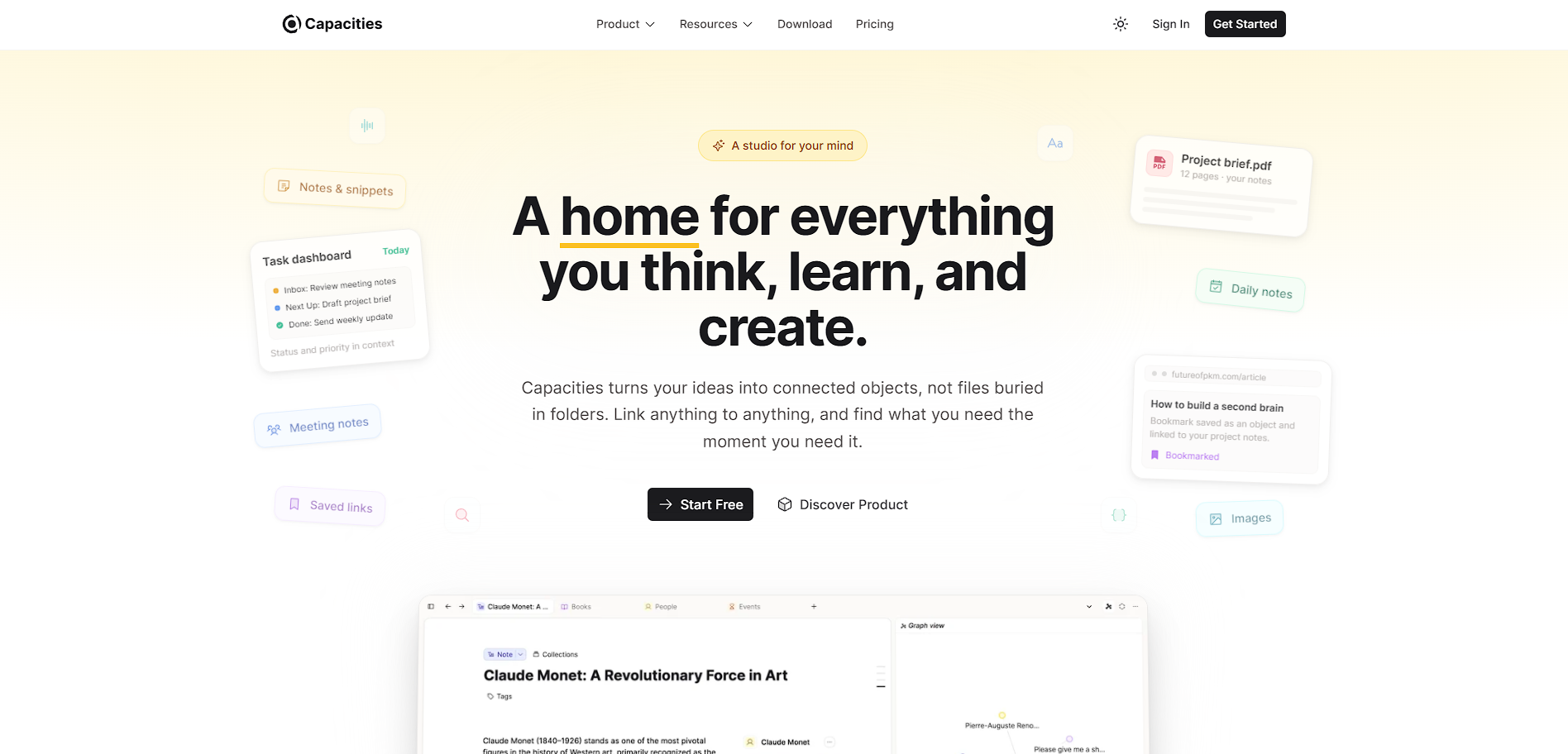
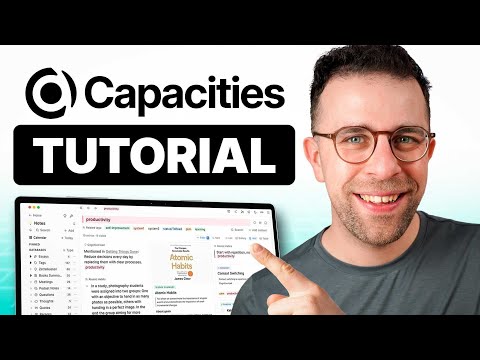
Capacities is a modern note-taking and personal knowledge management (PKM) platform designed to function as a “studio for your mind.” Instead of using traditional folders and pages, it structures information as interconnected objects such as people, meetings, books, or projects.
The platform emphasizes helping users think, not just store information. Notes are linked dynamically, allowing users to explore relationships between ideas and retrieve context when needed. Features like daily notes, powerful search, and customizable object types enable users to build a personalized knowledge system tailored to their workflow.
Capacities positions itself as an individual-first tool rather than a team collaboration platform. Its focus is on creating a private, distraction-free environment where users can develop ideas and organize knowledge deeply before sharing it externally if needed.
If you prefer different approaches to knowledge management, tools like Notion, Obsidian, and Tana offer alternatives with varying levels of flexibility, collaboration, and AI integration. Some emphasize structured databases, while others rely on plugins or automation.

Capacities is a modern note-taking and personal knowledge management (PKM) platform designed to function as a “studio for your mind.” Instead of using traditional folders and pages, it structures information as interconnected objects such as people, meetings, books, or projects.
The platform emphasizes helping users think, not just store information. Notes are linked dynamically, allowing users to explore relationships between ideas and retrieve context when needed. Features like daily notes, powerful search, and customizable object types enable users to build a personalized knowledge system tailored to their workflow.
Capacities positions itself as an individual-first tool rather than a team collaboration platform. Its focus is on creating a private, distraction-free environment where users can develop ideas and organize knowledge deeply before sharing it externally if needed.
If you prefer different approaches to knowledge management, tools like Notion, Obsidian, and Tana offer alternatives with varying levels of flexibility, collaboration, and AI integration. Some emphasize structured databases, while others rely on plugins or automation.
Learn what people say about Capacities
Capacities is a modern note-taking and personal knowledge management (PKM) platform designed to function as a “studio for your mind.” Instead of using traditional folders and pages, it structures information as interconnected objects such as people, meetings, books, or projects.
The platform emphasizes helping users think, not just store information. Notes are linked dynamically, allowing users to explore relationships between ideas and retrieve context when needed. Features like daily notes, powerful search, and customizable object types enable users to build a personalized knowledge system tailored to their workflow.
Capacities positions itself as an individual-first tool rather than a team collaboration platform. Its focus is on creating a private, distraction-free environment where users can develop ideas and organize knowledge deeply before sharing it externally if needed.
If you prefer different approaches to knowledge management, tools like Notion, Obsidian, and Tana offer alternatives with varying levels of flexibility, collaboration, and AI integration. Some emphasize structured databases, while others rely on plugins or automation.
Want to list your product on Subscribed.fyi? Create a profile to reach more buyers.