
Best backend platforms for startups in 2026
- WebOps Platforms Bug Tracking & Feedback Software Web Development & Design
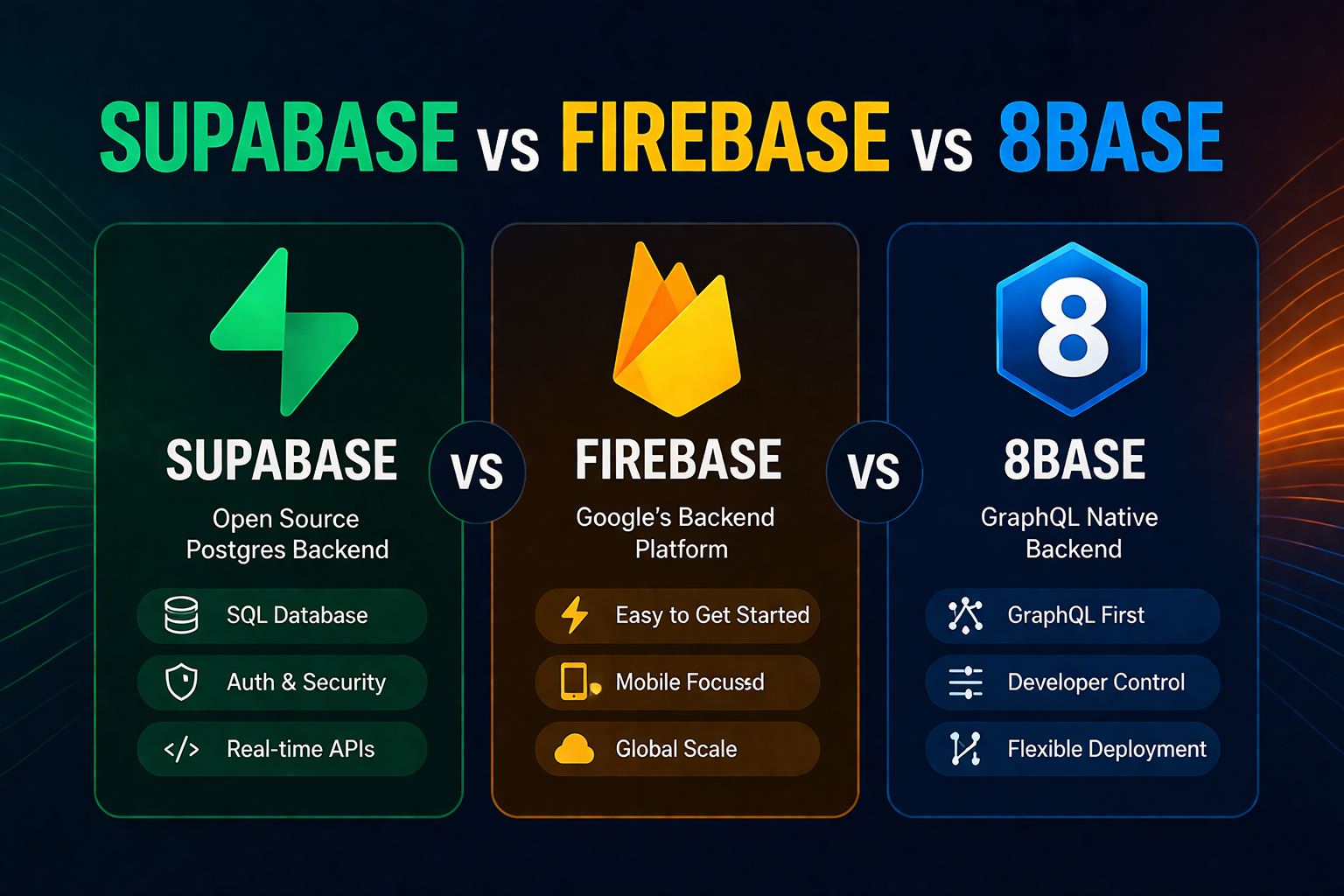
Choosing the right backend platform is one of the most important decisions for startups in 2026. Your backend immediately affects how fast you can launch, how easily you can scale, and how predictable your costs will be.
Most startups today use backend-as-a-service (BaaS) platforms instead of building infrastructure from scratch. These tools handle authentication, databases, APIs, and scaling so teams can focus on building products.
In this guide, we compare the best backend platforms, including Supabase, Firebase, and 8base. You can also explore detailed reviews and alternatives on Subscribed.fyi to make better decisions.
What are backend platforms?
Backend platforms provide the infrastructure needed to run applications without managing servers manually. They simplify development by offering ready-to-use backend services.
Most platforms include:
- Managed databases
- Authentication systems
- File storage
- Serverless functions
- APIs and real-time updates
To explore more tools, visit the Subscribed software directory.
Backend platform comparison
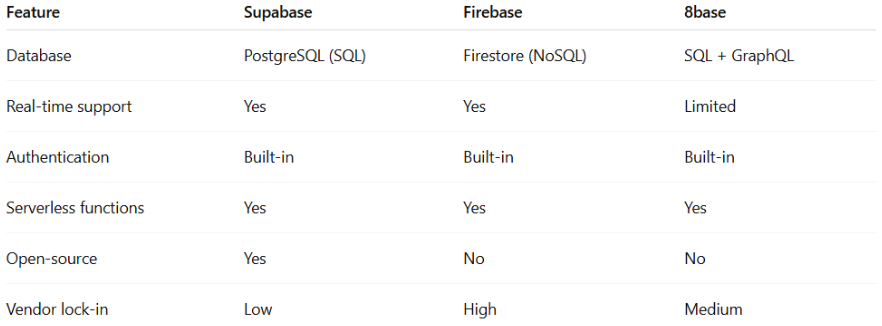
Here is a side-by-side comparison of the top backend platforms for startups in 2026.

Supabase overview
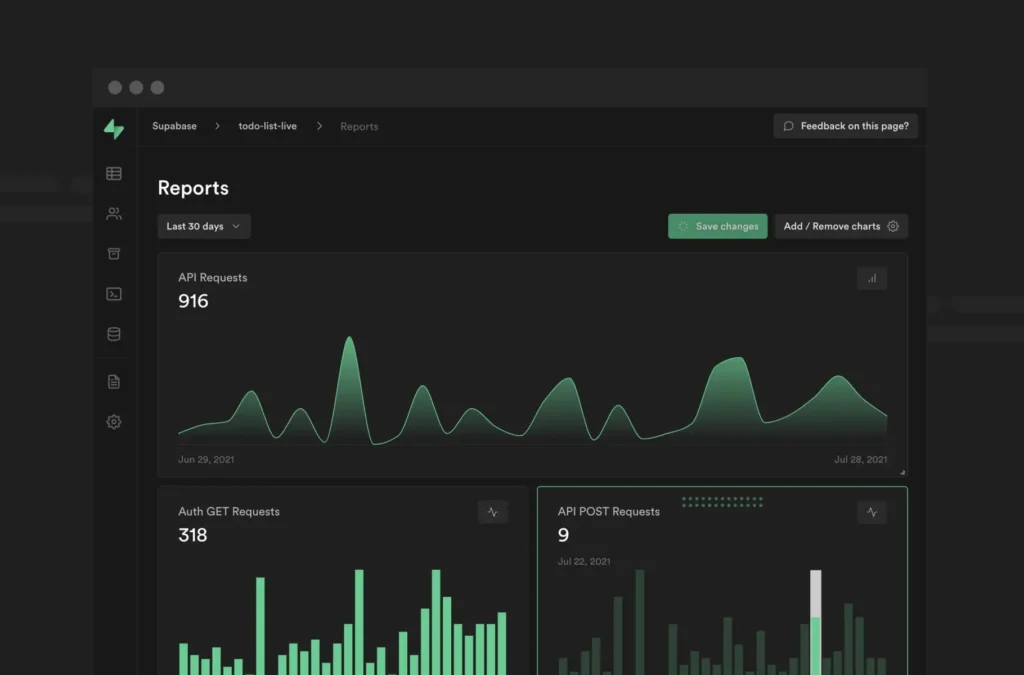
Supabase is a backend-as-a-service (BaaS) platform designed to simplify application development by providing a complete backend stack out of the box. It combines a managed PostgreSQL database with authentication, storage, real-time subscriptions, and serverless edge functions, allowing developers to build applications without managing infrastructure.
Key features
- PostgreSQL database
- Real-time subscriptions
- Authentication and storage
- Auto-generated APIs
Pricing
Supabase offers predictable pricing with a generous free tier, making it startup-friendly.
Learn more via Supabase reviews on Subscribed.
Pros
- Strong SQL support
- Lower vendor lock-in
- Scalable for SaaS apps
Cons
- Requires database knowledge
- Limited advanced backend logic
Best for SaaS products, dashboards, and apps with structured data.
Firebase overview
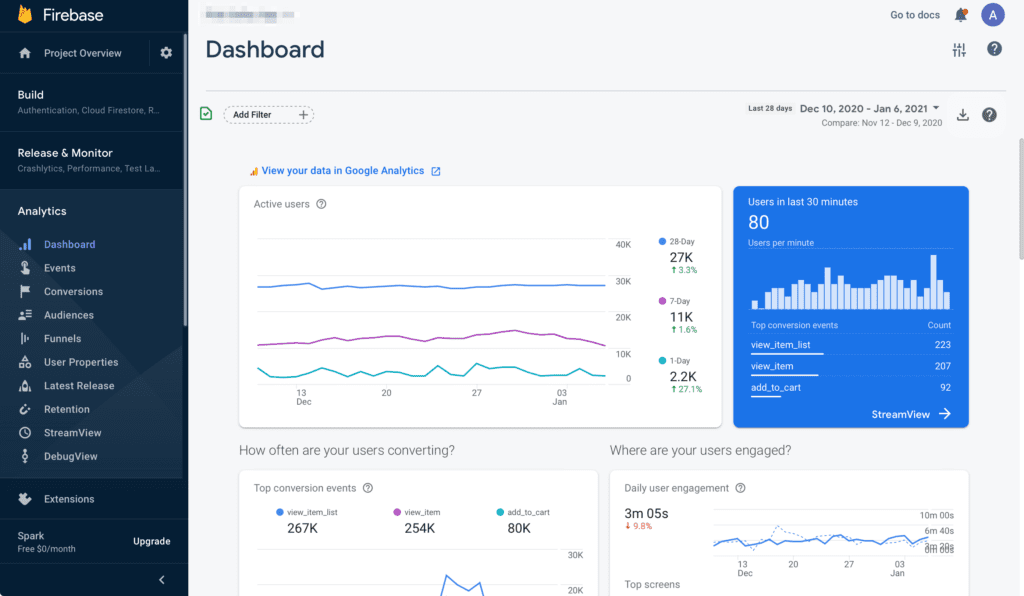
Firebase is an innovative Backend-as-a-Service solution that empowers developers to build real-time and scalable mobile and web applications with ease. Designed to simplify the traditionally complex process of server management, Firebase offers an integrated platform where you can effortlessly create databases remotely and access them using JavaScript.
Key features
- Firestore NoSQL database
- Authentication and cloud functions
- Real-time sync
- Mobile SDKs
Pricing
Firebase uses a pay-as-you-go model, which can become expensive as usage grows.
Explore more via Firebase reviews on Subscribed.
Pros
- Fastest to launch
- Strong real-time features
- Great for mobile apps
Cons
- Expensive at scale
- Vendor lock-in
Best for MVPs, mobile apps, and real-time applications.
8base overview
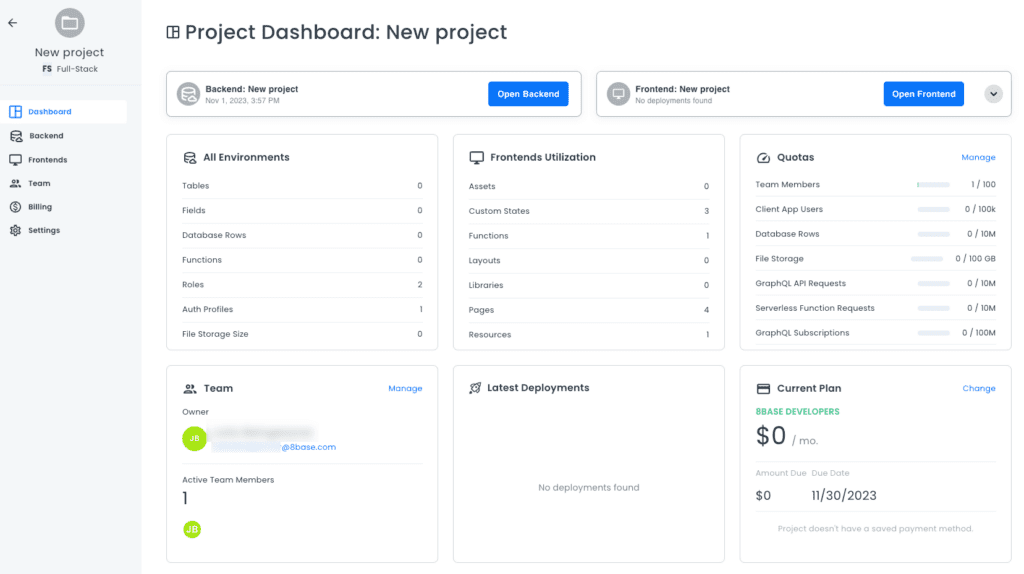
8base is a purpose-built low-code platform designed for professional developers to streamline the development of full-stack JavaScript applications. At its core, it eliminates typical development overhead while preserving the depth and control that experienced developers expect, enabling teams to move from ideation to production efficiently.
Key features
- GraphQL API generation
- Built-in authentication and roles
- Managed SQL database
- Serverless backend logic
- Visual app builder and integrations
Pricing
8base offers tiered pricing with free and paid plans, making it available for startups while scaling with usage.
Pros
- Rapid development with low-code tools
- Strong GraphQL support
- Built-in permissions and roles system
- Faster time-to-market
Cons
- Less control compared to fully custom backend setups
- Smaller ecosystem than larger platforms
Best for startups that want to launch quickly with structured backend logic and minimal infrastructure setup.
Feature comparison
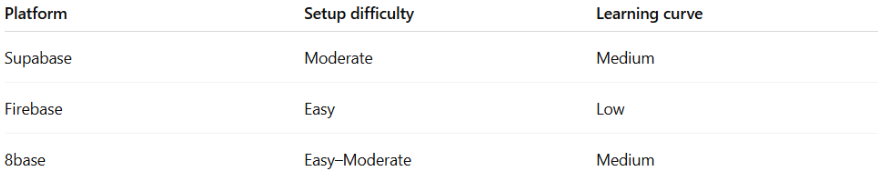
Ease of use comparison
Real use cases
Use Supabase when
- You are building a SaaS product
- You need structured data
- You want predictable pricing
Example: A startup building a CRM or analytics platform.
Use Firebase when
- You want to launch quickly
- You are building a mobile or real-time app
- You need offline support
Example: A chat or messaging application.
Use 8base when
- You want to build apps quickly with minimal backend setup
- You prefer GraphQL APIs
- You need built-in user roles and permissions
Example: A startup building an internal tool, marketplace, or admin dashboard.
Conclusion
The best backend platform for startups in 2026 depends on your goals.
Supabase is ideal for flexibility and cost control. Firebase is best for speed and real-time apps. 8base is a strong choice for rapid development with built-in backend logic and GraphQL support.
To make the best decision, explore reviews and comparisons on Subscribed.fyi. This helps you evaluate tools, compare features, and find the best backend for your startup.
Relevant links