

What Are “Hobby Apps” and Why They Matter for Brands
- Expense Management Software Credit Cards Investing Business Solutions Conversational Marketing Software SEO Software Affiliate Marketing Software Marketing Tools
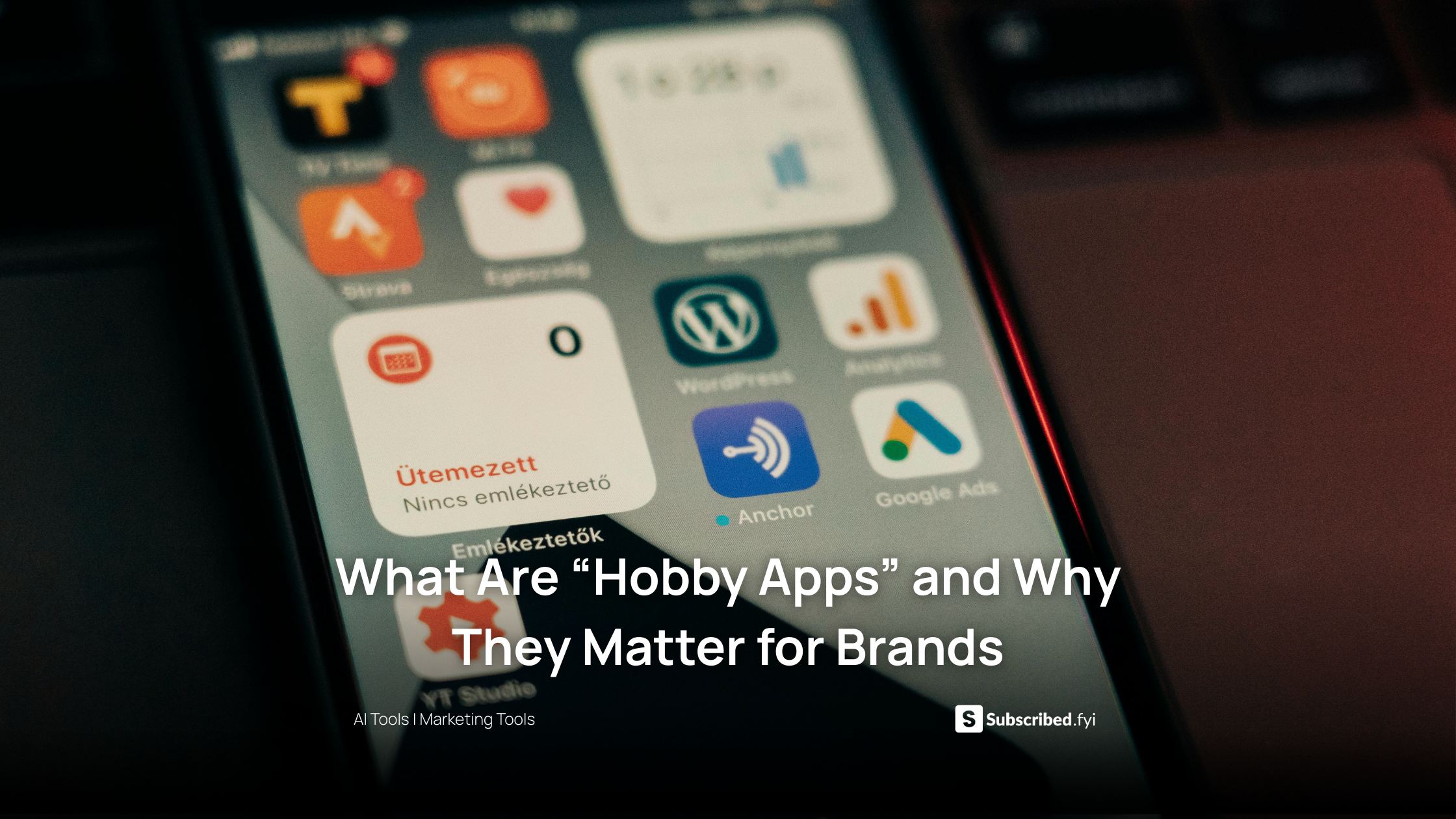
This year, a quiet revolution is reshaping how people connect online, not through broad-reach social media, but through hobby apps built around shared passions: running, reading, cooking, gaming, and more. These platforms, once niche, are seeing surging adoption as users grow weary of mainstream social networks’ noise, ads, and algorithm fatigue. For brand and marketing leaders, this shift presents a significant strategic inflection point: hobby apps are quietly becoming the new social media.
Hobby-centered networks like tracking apps, reading communities, recipe platforms, and fitness trackers are offering what many feel traditional social media has lost: authenticity, shared identity, focused communities, and zero-noise engagement. A deep dive from Conn3cted outlines how apps such as Strava, Goodreads, and Letterboxd attract users looking for connection around real passions, not performative posts or viral trends. Add to that a Substack essay titled Hobby Apps Are The New Social Media arguing that hobby apps scratch a longing for purpose and depth.
Brands often chase high reach, but as these hobby-based platforms grow, reach might not be the highest value metric anymore. Engagement, loyalty, and community resonance matter more.
What’s Driving the Rise of Hobby Apps
1. Disillusionment with Traditional Social Media
Mainstream platforms suffer from algorithm fatigue, mounting ad saturation, and growing distrust. As chronicled by The Guardian in a 2024 feature , “Goodbye Tinder, Hello Strava”, many users are abandoning generic social networks for more meaningful spaces centered on interests and hobbies. Widgets of life updates, ads, and influencer culture are being replaced with shared progress, recommendations, and communal enthusiasm.
2. Community-First Design, Not Feed-First Overload
Hobby apps are built around user identity and interests, not virality. On apps like Letterboxd, film lovers share reviews and lists; on Goodreads, readers track books and join reading challenges; on fitness platforms like Strava, users log workouts, join clubs, and celebrate milestones. The experience centers on shared values and consistent activity creating stickiness that traditional social media struggles to replicate.
3. Focused Demographics = Highly Targetable Audiences
From avid runners, casual readers, home chefs to gamers, hobby apps offer clearly segmented, engaged groups. According to a recent report by Times of India, many prefer “fitness and reading platforms over dating apps,” citing deeper connections through shared passions rather than superficial encounters. For marketers and brands, this means precise targeting with high intent; far more refined than generic demographic buckets, and often with better conversion potential.
4. Better Engagement and Lower Noise – Communities Over Clutter
Bloomberg’s coverage of recent surges in hobby-app usage shows that many are turning to such platforms for refuge from social-media overload. People are swapping scroll-heavy feeds for worlds curated by taste. This environment fosters deeper interaction and stronger retention, a stark contrast to the fleeting engagement metrics on traditional social networks.
What This Means for Brand & Marketing Strategy
For brand owners and marketers, hobby apps represent a new frontier for community-driven growth, niche marketing, and long-term customer loyalty. Here’s how this shift can influence your strategy:
1. Niche Community Activation
Brands can no longer rely solely on mass advertising. Instead, there’s an opportunity to embed themselves in communities defined by shared interests, whether that’s running apparel on Strava-style fitness apps, literary-themed products on reading communities, gaming gear for gaming-first platforms, or craft and DIY brands for arts-focused hobby networks.
2. Authentic Storytelling with Aligned Purpose
Hobby-app communities respect passion and expertise. Brands that contribute value, whether through content, design, expertise, or community support stand to gain trust and loyalty. Collaborations feel more genuine, not sales-y, because they align with user identity and interests.
3. Higher Conversion Potential with Lower Waste
Campaigns run inside focused hobby communities can yield better ROI. Because the audiences are already self-selected by interest, conversion rates on niche product launches, upsells, or membership models are often higher than in broad-reach social feeds.
4. Long-Term Loyalty Through Shared Journeys
Unlike the fast scrolls and fading stories of mainstream social media, hobby apps encourage progress tracking, continuity, and ritual; think running streaks, reading challenges, weekly cooking logs, or gaming achievements. Brands that embed into these journeys via loyalty, web3-style rewards, or membership benefits, can achieve customer lifetime value beyond a single purchase.
Where’s the Early Wins: 8 Hobby-App Communities to Watch
| Hobby App / Platform | Core Community / Use | Why It Matters for Brands |
|---|---|---|
| Strava | Runners / Cyclists / Fitness Enthusiasts | Authentic fitness culture, high purchase intent for wellness & performance brands |
| Letterboxd | Film Buffs & Entertainment Fans | Strong influence ecosystem for streaming partners, merch drops, premieres |
| Goodreads | Book Readers / Literary Fans | Conversion goldmine for publishers, authors, library services, book clubs |
| AllTrails | Hikers / Adventure Seekers | Ideal for outdoor gear, eco-travel, sustainability-aligned brands |
| Untappd | Craft Beer Community | Opportunity for beverage brands, local taprooms, tasting events & merch |
| MyFitnessPal | Health & Nutrition Focused Users | Supplements, lifestyle brands, and grocery / meal-prep partnerships |
| Discogs | Music Collectors | Limited-edition drops, music merch, vinyl and nostalgia culture |
| Beli | Foodies & Restaurant Explorers | Perfect for hospitality partnerships, local promotions, tasting activations & influencer food culture |
-
Community-Driven Feedback Loops: Real enthusiasts give real feedback. When your product misaligns, you’ll know, when it resonates, you’ll build loyal fans.
-
More Sustainable Engagement: Hobby apps are built around interest and identity. Users are more likely to stay active, refer friends, and stay loyal to communities they care about.
-
Cost-Effective Acquisition + Retention: Compared to acquisition costs on broad social media, hobby communities offer higher intent, lower ad spend, and better retention metrics.
-
Brand as Value Contributor, Not Advertiser: When you contribute design guides, content, expertise to a hobby community, you build trust and long-term relationships, rather than just chasing quick conversions.
Closing the Loop: What Brand & Marketing Leaders Should Do Next
The Risk of Doing Nothing
Brands that ignore the rise of hobby apps face real risk. As users increasingly pivot away from saturated social feeds, they bring their attention, engagement, and purchases into focused communities. If your brand stays fixed on traditional social media channels, chasing impressions, viral reach, and feed optimization you may miss a rising wave of genuine connection and purchase-intent from hobby-based communities.
Legacy retail and DTC strategies built around broad audiences will suffer from:
-
High ad costs and low conversion rates
-
Oversaturation and ad fatigue among consumers
-
Low brand loyalty due to shallow engagement
-
Difficulty targeting niche passions and values
The brands that succeed in 2026–2027 won’t be the loudest; they’ll be the most relevant to real communities.
Strategic Playbook: How to Embed Your Brand in Hobby Platforms
1. Identify: Don’t Guess Your Audience’s Passions
Before launching a broad campaign, map out your ideal consumer. What hobbies, interests, or lifestyles align with your product? Use publicly available data (community tags, interest groups, trending posts) on hobby apps like Strava, Letterboxd, or Goodreads to validate hypothesis.
Then build tailored offers – curated bundles, limited-edition products, story-driven collections that resonate with that niche mindset.
2. Become a Community Contributor – Not Just a Brand Advertiser
Hobby communities value authenticity. Brands that successfully embed are those that add value, whether through content (guides, tips, inspiration), sponsorship of community events, or collaboration with community-driven influencers. This cultivates trust, rather than pushing sales messaging.
3. Launch Small Pilots in High-Intent Niches
Choose 1–2 platforms aligned closely with your audience’s hobbies. For example:
-
A sportswear brand → pilot with Strava users.
-
A bookshop / subscription service → target Goodreads or reading community platforms.
-
A home-goods or lifestyle brand → consider outdoor / lifestyle hobby apps (hiking, DIY, gardening).
Use pilot campaigns to measure engagement, conversion, retention, return rate, and community sentiment.
4. Build Loyal Customer Lenses – Not One-Time Purchasers
Because hobby-app communities center around shared identity and recurring interests, brands should design for lifecycle value rather than one-off sales. Consider subscription models, loyalty tiers, content memberships, or community-only advantages to drive long-term value.
5. Embrace Transparency & Ethical Data Practices
Communities value trust. Ensure clear communication about data use, privacy, and personalization logic. Brands misusing data or agents risk losing community credibility, which can be much harder to regain among tight-knit hobby networks.
Why Now Is the Strategic Moment for Brands
-
Traditional social ad costs continue to rise; ROI from those channels is shrinking.
-
Hobby platforms are attracting high-intent, niche-passionate users – ideal for targeted offerings and reduced ad waste.
-
Communities built around identity and passion tend to have better retention, referral potential, and brand loyalty.
-
As agents of culture and taste, hobby communities are ideal incubators for product-market fit tests, early-access drops, and brand storytelling.
If you want to build the next generation of loyal, motivated customers, hobby apps are the fertile ground.
Conclusion – The Future of Social Is Not Social Media Anymore
The digital landscape is evolving fast. What was once dominated by universal feed-driven platforms is shifting toward niche, passion-based communities. For brand and marketing leaders, hobby apps present one of the biggest opportunities this decade: access to deeply engaged audiences, lower noise, better alignment, higher conversion and real human connection.
Hobby apps are not a side channel.
They are the next generation of social media.
Brands that see this shift, adapt early, and build stories around communities will win the hearts, wallets, and loyalty of tomorrow’s consumers.
Hobby App Platforms Mentioned
- Strava – https://www.strava.com
- Letterboxd – https://letterboxd.com
- Goodreads – https://www.goodreads.com
- AllTrails – https://www.alltrails.com
- Untappd – https://untappd.com
- MyFitnessPal – https://www.myfitnesspal.com
- Discogs – https://www.discogs.com
- Beli – https://beliapp.com