Project management tools like , Notion, Basecamp, Lark, Slack, Asana and Trello.
AI chatbot tools like ChatGPT, Grok, Perplexity, Claude, Gemini and Copilot.
Marketing analytics platforms like Google Analytics, Similarweb and Semrush.
CRM systems like HubSpot, Apollo.io Pipedrive, Zoho CRM, and Salesforce.
VPNs, SSO providers, and password managers like NordVPN, Okta, and LastPass.
Email marketing and campaign tools like MailerLite, Instantly, and Mailchimp.
Website builders, hosting tools like Hostinger, Webflow, Framer, and Shopify
HR and recruiting software like ATS platforms, BambooHR, Workday, and Lever.
Automate finances with confidence like Quickbooks, Stripe, Brex, and Mercury.
Design and editing tools like Figma, Canva, Adobe Creative Cloud, CapCut.
Workflow automation tools like Zapier, Make, Clay, and Reclaim.ai.
No-code and AI-native dev tools like Cursor, Windsurf, Lovable and Bubble.

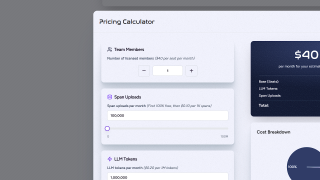
AgentOps excels in observability, which is becoming critical as AI agents grow more complex and autonomous. Its ability to track every interaction, replay sessions, and monitor costs gives teams strong control over performance and reliability. This makes it particularly valuable for production-grade AI systems where debugging and transparency are essential.
However, it is not a standalone development platform. It focuses purely on monitoring and optimization, meaning teams still need additional tools for building, deploying, and managing infrastructure. It is best suited for teams already working with AI agents who need deeper insight and control rather than those just starting out.
Datadog is a leading SaaS platform offering real-time monitoring, security, and analytics for developers, IT, and operations teams. Key features include application performance monitoring (APM), log management, and infrastructure observability with AI integrations for enhanced insights. It seamlessly integrates with 400+ tools and offers customizable dashboards. Pricing starts at $15/host/month. Compared to Dynatrace and New Relic, Datadog excels in ease of use and integrations, though its costs rise with scaling. Ideal for DevOps teams, it offers helpful customer support but requires learning effort. Cost-effective for large firms, yet pricey for small businesses.