Project management tools like , Notion, Basecamp, Lark, Slack, Asana and Trello.
AI chatbot tools like ChatGPT, Grok, Perplexity, Claude, Gemini and Copilot.
Marketing analytics platforms like Google Analytics, Similarweb and Semrush.
CRM systems like HubSpot, Apollo.io Pipedrive, Zoho CRM, and Salesforce.
VPNs, SSO providers, and password managers like NordVPN, Okta, and LastPass.
Email marketing and campaign tools like MailerLite, Instantly, and Mailchimp.
Website builders, hosting tools like Hostinger, Webflow, Framer, and Shopify
HR and recruiting software like ATS platforms, BambooHR, Workday, and Lever.
Automate finances with confidence like Quickbooks, Stripe, Brex, and Mercury.
Design and editing tools like Figma, Canva, Adobe Creative Cloud, CapCut.
Workflow automation tools like Zapier, Make, Clay, and Reclaim.ai.
No-code and AI-native dev tools like Cursor, Windsurf, Lovable and Bubble.

Appium is an open-source mobile automation framework supporting iOS, Android, and Windows platforms. Its cross-platform compatibility, open-source model, and support for diverse programming languages like Java, Python, and Ruby make it a top choice for developers. While setup is complex, its rich community support offsets this challenge. Unlike paid alternatives like BrowserStack or the simpler Cypress, Appium offers cost-effectiveness but requires more technical expertise, making it suitable for developers rather than designers or marketers. Being free, it’s ideal for startups or solo testers seeking robust automation. Customer support relies on community-driven forums, ensuring help for persistent users.
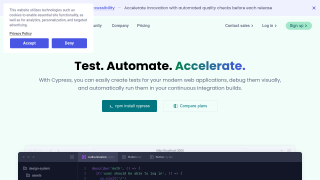
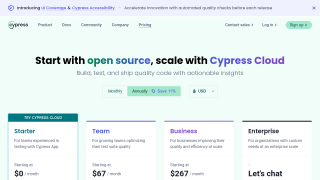
Cypress is an innovative, developer-focused front-end testing tool ideal for JavaScript-based applications. Key features include fast execution, time-travel debugging, automatic waiting, screenshots, and video recording. It supports unit, integration, and end-to-end testing with a seamless CI/CD setup. Pricing ranges from free plans to $75/month for teams, scaling with advanced options like smart orchestration.
Compared to alternatives like Selenium, BrowserStack, and LambdaTest, Cypress is easier to set up, faster, and developer-friendly but lacks robust multi-browser and mobile app testing support. It’s particularly beneficial for developers automating modern web apps but may not suit marketers or testers needing extensive browser/device compatibility.
Customer support is well-reviewed, and its cost-effectiveness stands out for smaller teams and startups. Cypress is ideal for balancing speed and reliability in professional testing environments.