Project management tools like , Notion, Basecamp, Lark, Slack, Asana and Trello.
AI chatbot tools like ChatGPT, Grok, Perplexity, Claude, Gemini and Copilot.
Marketing analytics platforms like Google Analytics, Similarweb and Semrush.
CRM systems like HubSpot, Apollo.io Pipedrive, Zoho CRM, and Salesforce.
VPNs, SSO providers, and password managers like NordVPN, Okta, and LastPass.
Email marketing and campaign tools like MailerLite, Instantly, and Mailchimp.
Website builders, hosting tools like Hostinger, Webflow, Framer, and Shopify
HR and recruiting software like ATS platforms, BambooHR, Workday, and Lever.
Automate finances with confidence like Quickbooks, Stripe, Brex, and Mercury.
Design and editing tools like Figma, Canva, Adobe Creative Cloud, CapCut.
Workflow automation tools like Zapier, Make, Clay, and Reclaim.ai.
No-code and AI-native dev tools like Cursor, Windsurf, Lovable and Bubble.

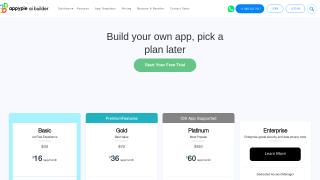
Appy Pie is a no-code platform catering to non-technical users like small business owners, marketers, and educators. Features include drag-and-drop app and website building, customizable branding, multi-platform compatibility, and third-party integrations. Pricing starts at $36/month per app, with a free trial available. Pros: ease of use, quick deployment, and good customer support. Cons: limited advanced customizations, high pricing for developers, and some unclear cancellation policies. Alternatives like Bubble offer greater depth for developers but may be less beginner-friendly. Appy Pie’s support is responsive and the platform cost-effective for basic app-building needs.
Bubble is a no-code development platform enabling users to build web applications like SaaS platforms or marketplaces without coding expertise. Its drag-and-drop editor and cloud hosting make it ideal for developers, startups, and designers. Key features include API integration, responsive design tools, and workflow automation. Pricing ranges from a free plan to $349+/month for advanced features.
Comparatively:
Alternatives like Webflow have better design capabilities, whereas Appy Pie is simpler but less flexible.
Customer support is responsive but email-based. While pricey for scaling, Bubble offers significant value for non-technical and startup users.