Project management tools like , Notion, Basecamp, Lark, Slack, Asana and Trello.
AI chatbot tools like ChatGPT, Grok, Perplexity, Claude, Gemini and Copilot.
Marketing analytics platforms like Google Analytics, Similarweb and Semrush.
CRM systems like HubSpot, Apollo.io Pipedrive, Zoho CRM, and Salesforce.
VPNs, SSO providers, and password managers like NordVPN, Okta, and LastPass.
Email marketing and campaign tools like MailerLite, Instantly, and Mailchimp.
Website builders, hosting tools like Hostinger, Webflow, Framer, and Shopify
HR and recruiting software like ATS platforms, BambooHR, Workday, and Lever.
Automate finances with confidence like Quickbooks, Stripe, Brex, and Mercury.
Design and editing tools like Figma, Canva, Adobe Creative Cloud, CapCut.
Workflow automation tools like Zapier, Make, Clay, and Reclaim.ai.
No-code and AI-native dev tools like Cursor, Windsurf, Lovable and Bubble.

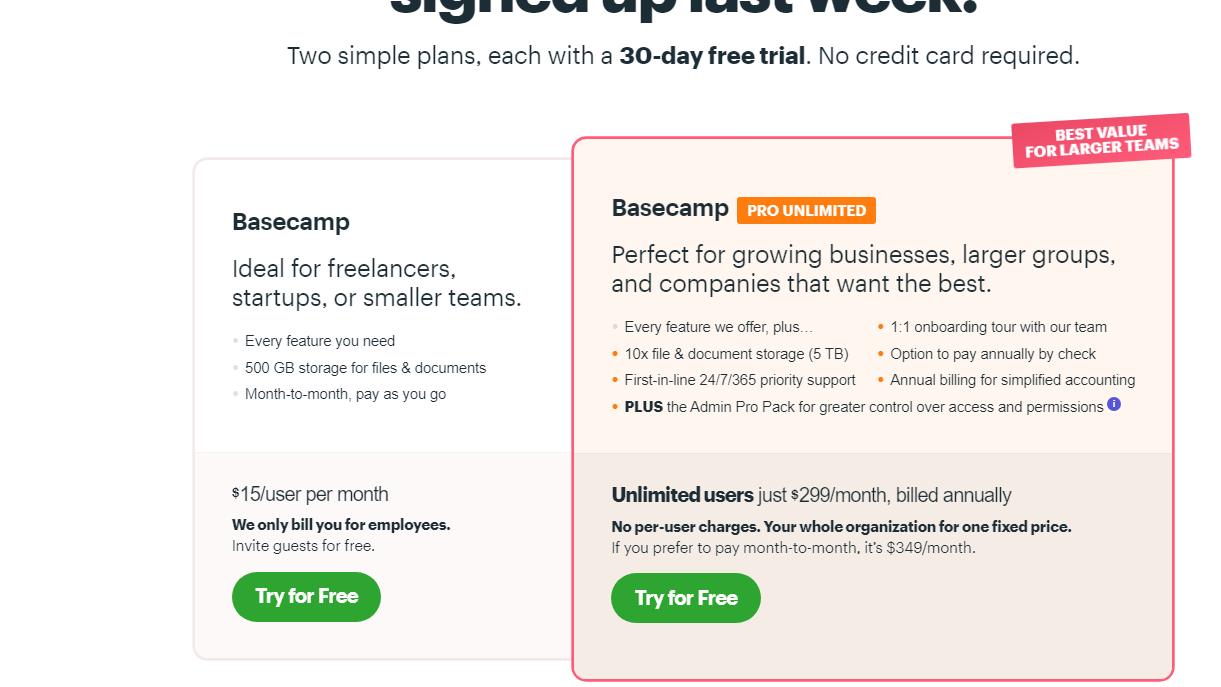
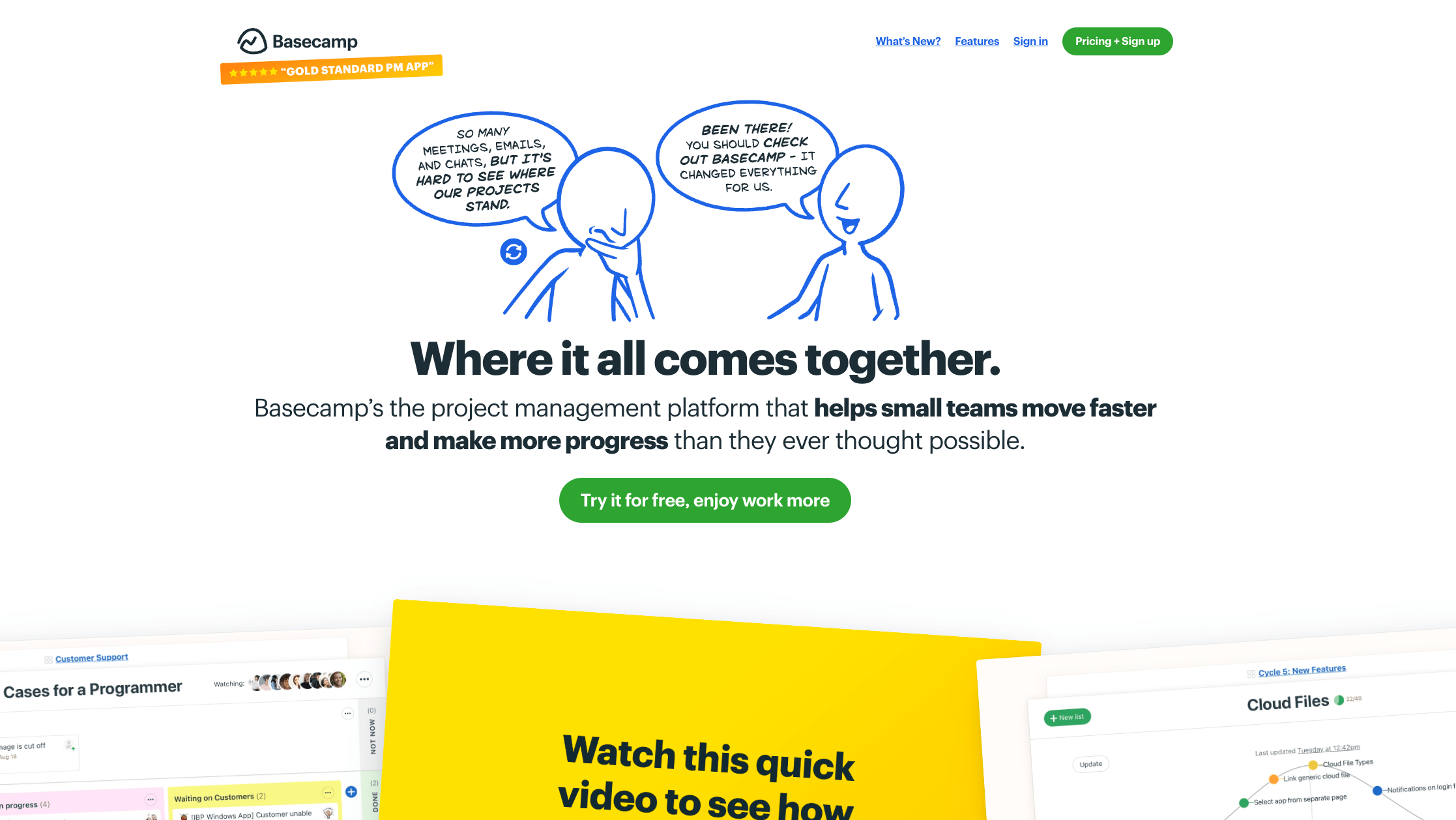
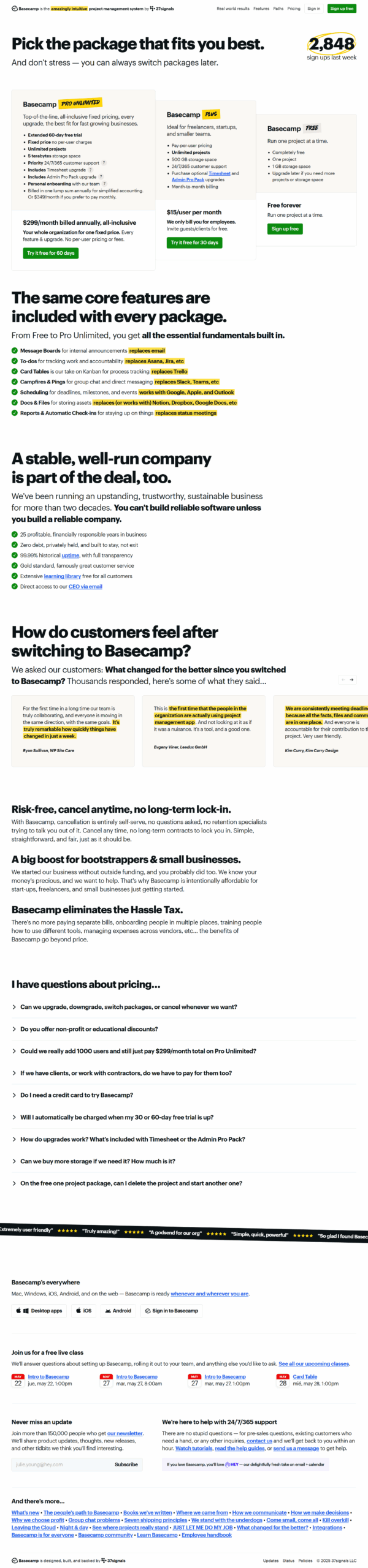
Basecamp is a project management and collaboration tool ideal for small to mid-sized teams like designers, marketers, and developers. It offers features like to-do lists, file sharing, message boards, and team schedules in a straightforward interface. Benefits include easy collaboration, scalability, and affordability, at $15/user monthly with 500GB storage and unlimited projects. While user-friendly, it lacks advanced reporting and tagging features seen in tools like ClickUp or Monday.com. Basecamp is cost-effective, providing all essential tools in one platform, but less flexible for complex workflows. Its customer support is reliable, though response times vary. Perfect for teams seeking simplicity over robust features.
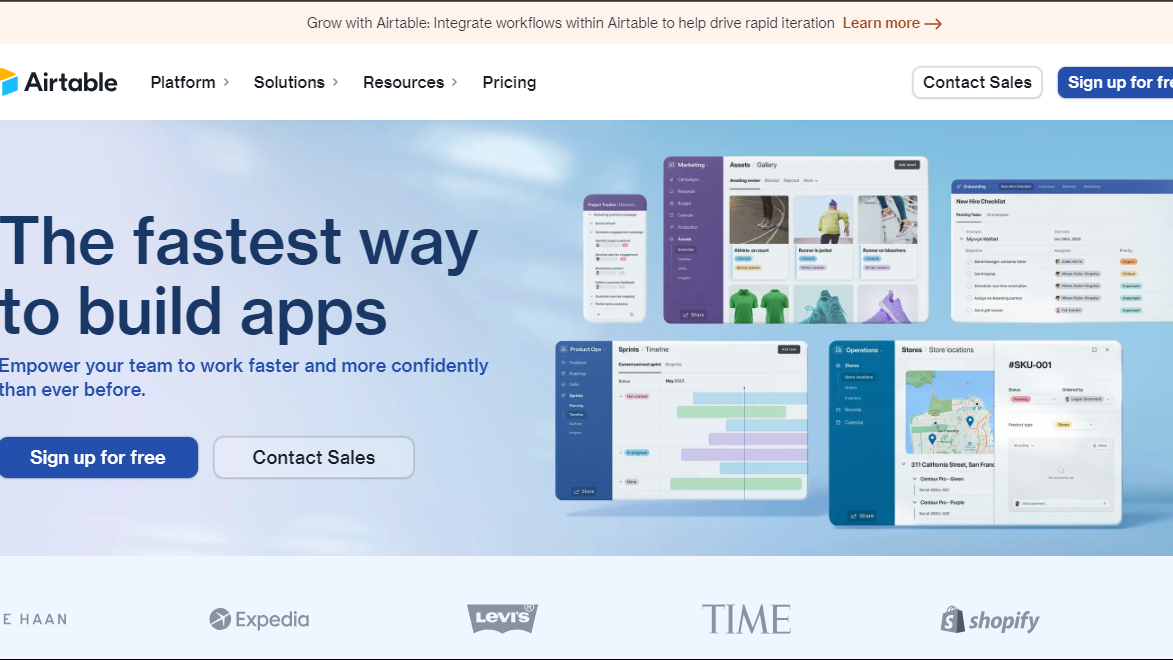
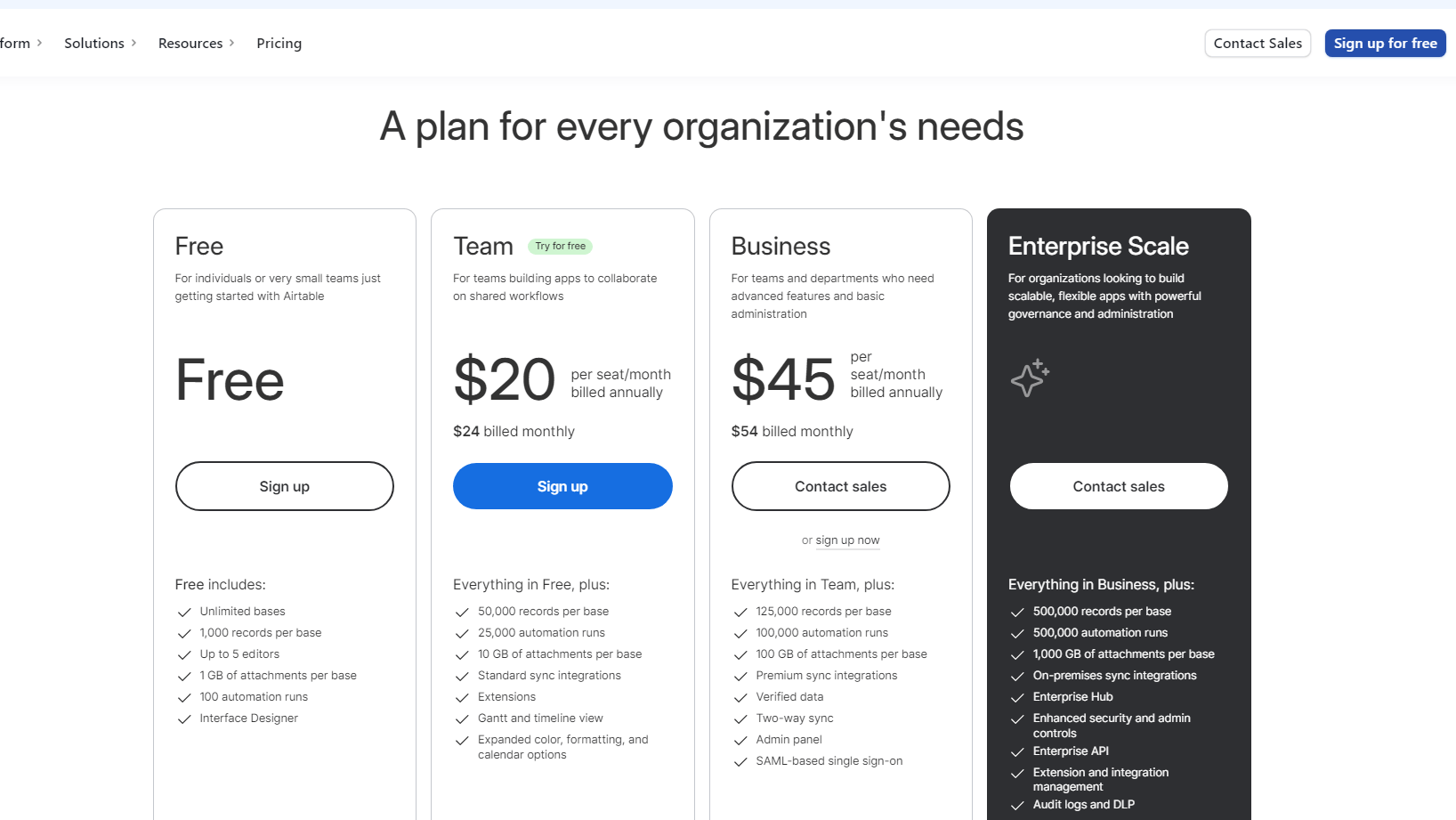
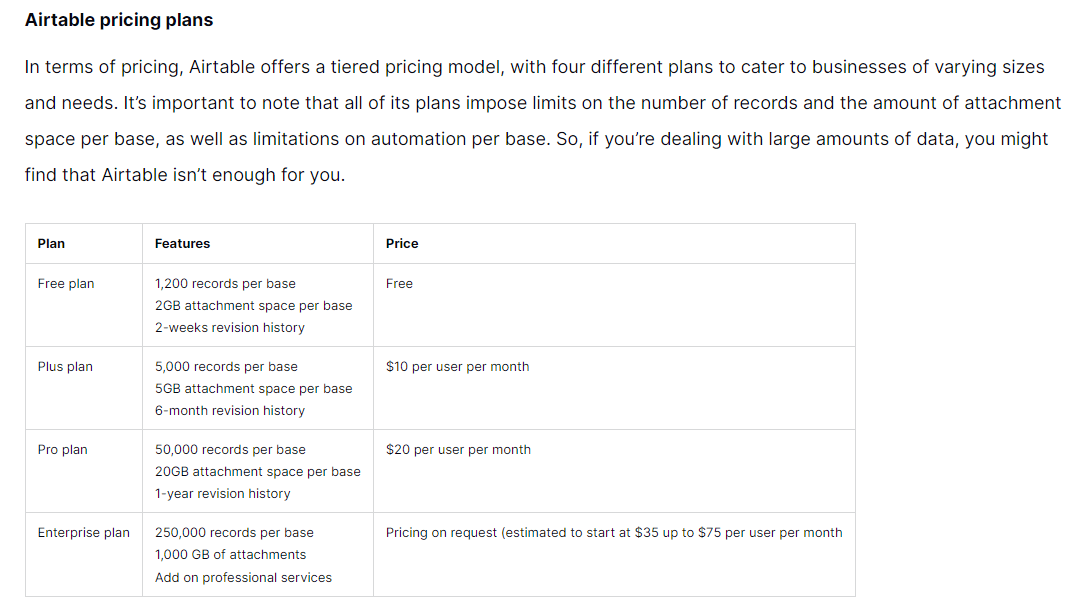
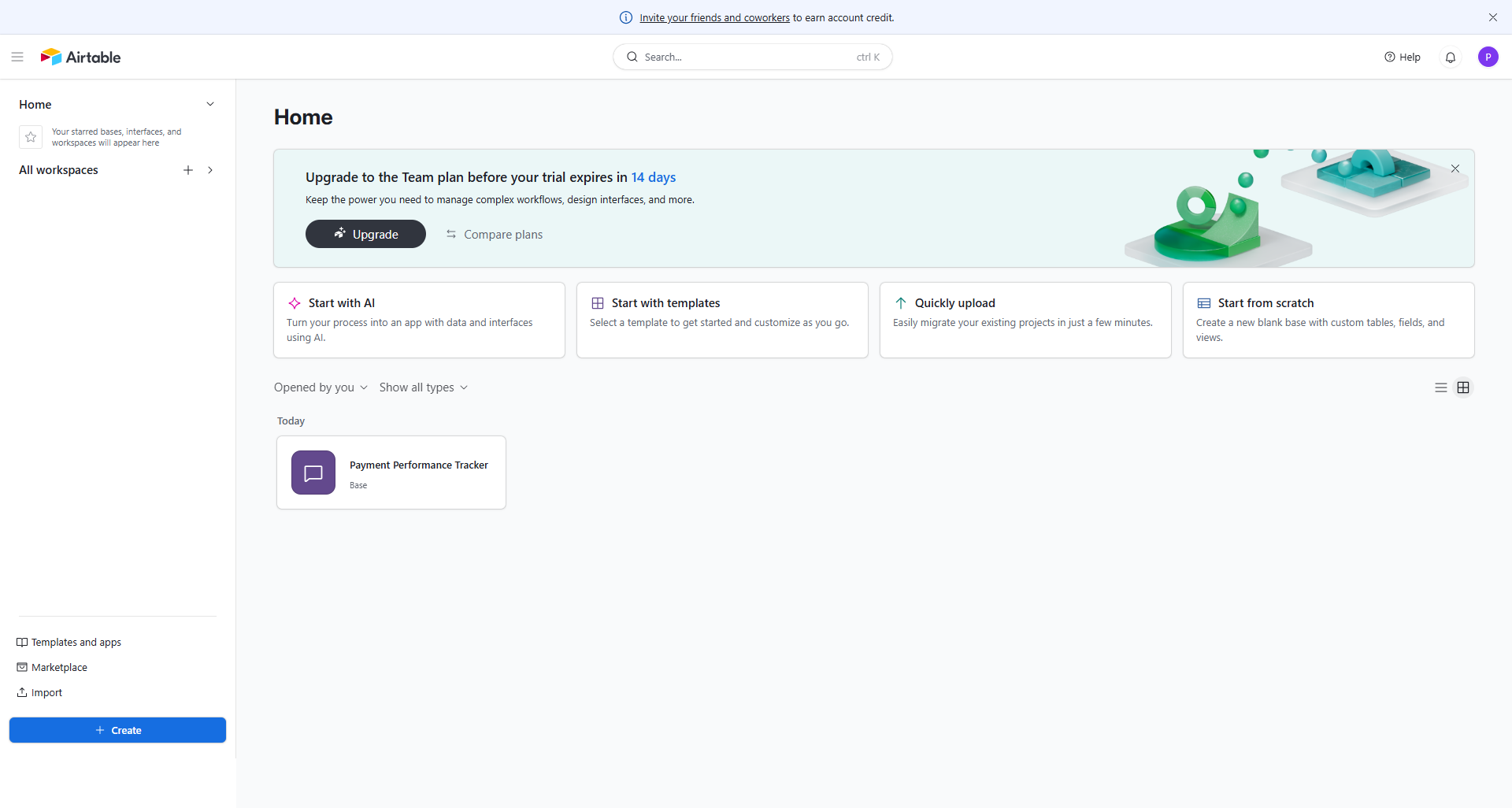
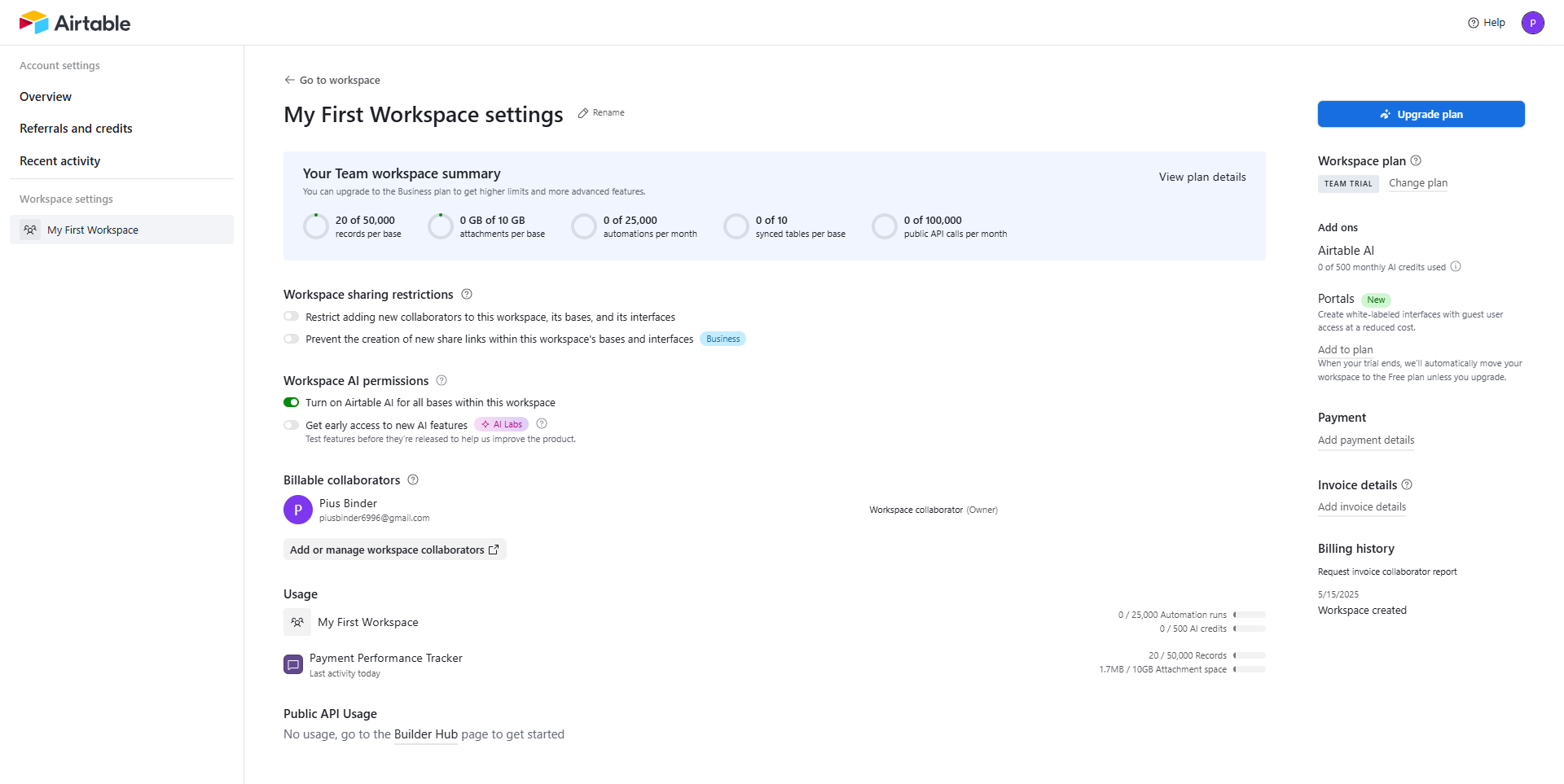
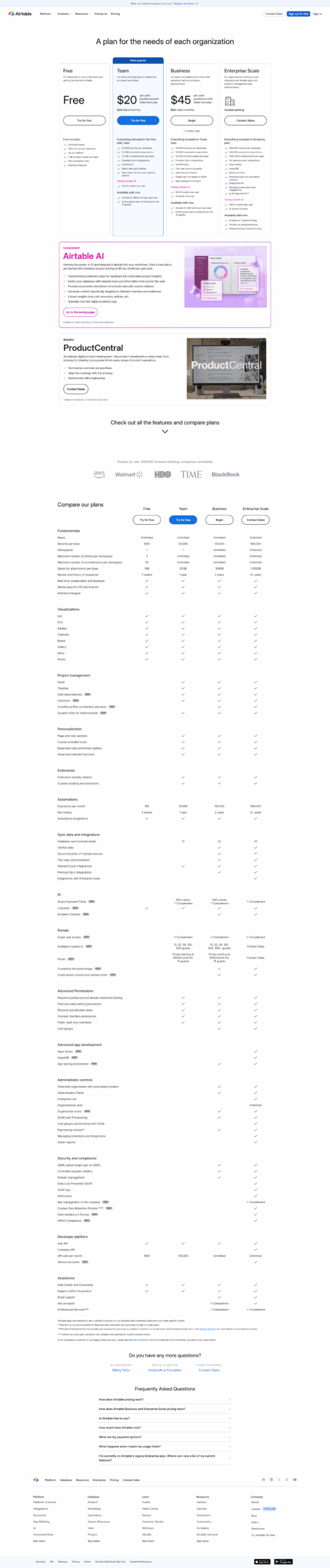
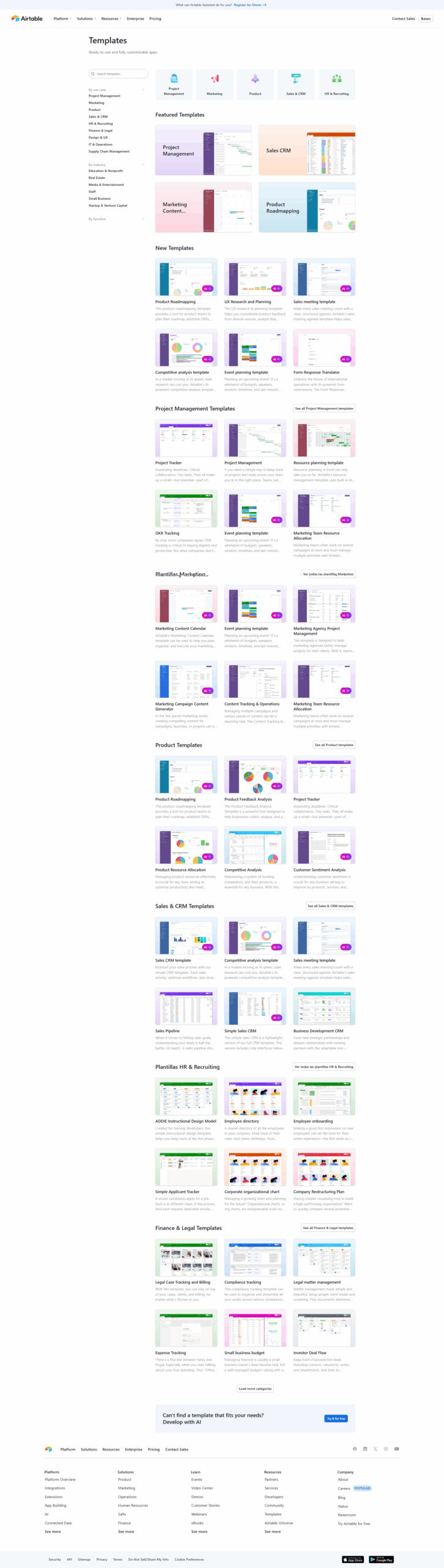
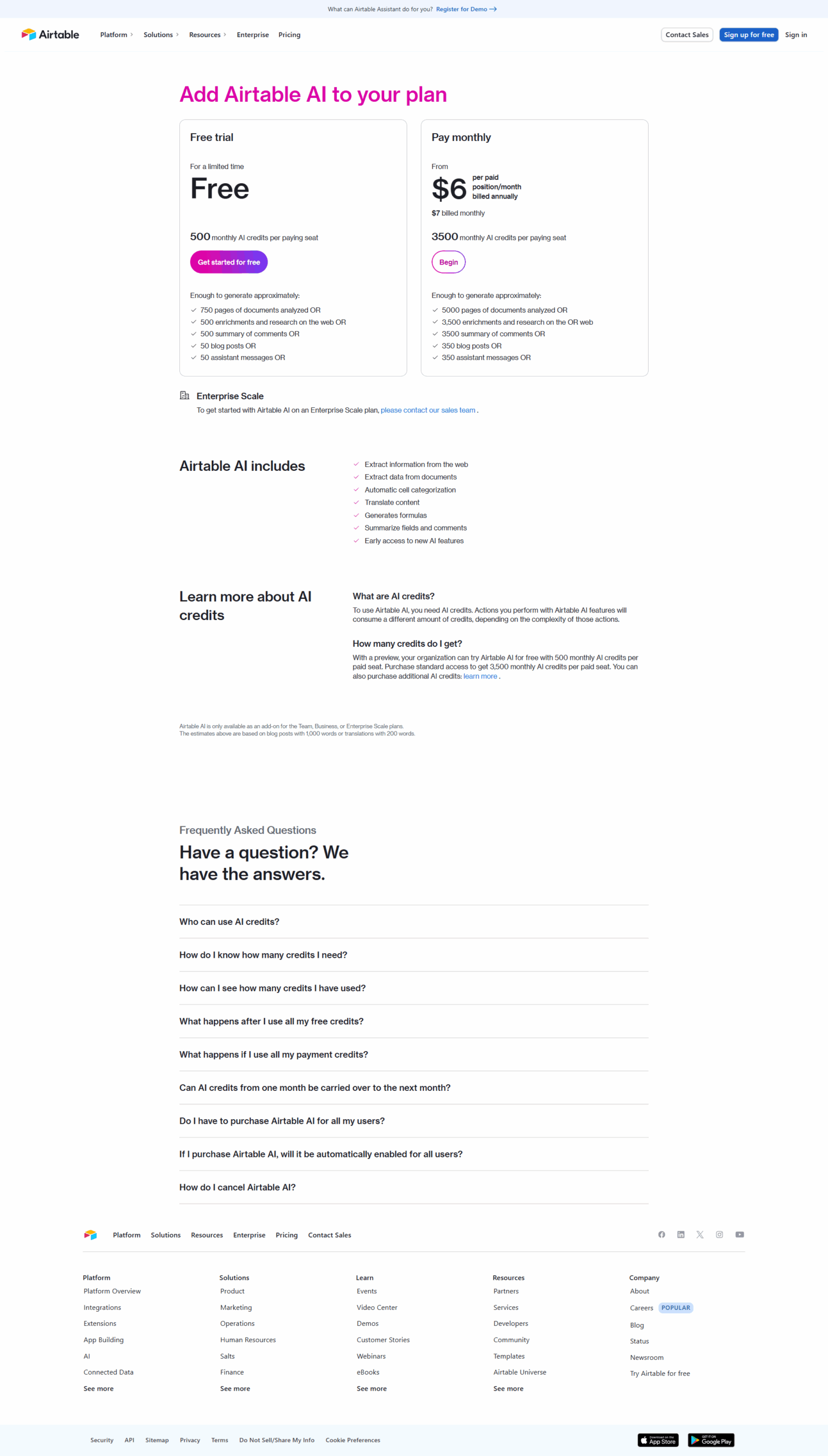
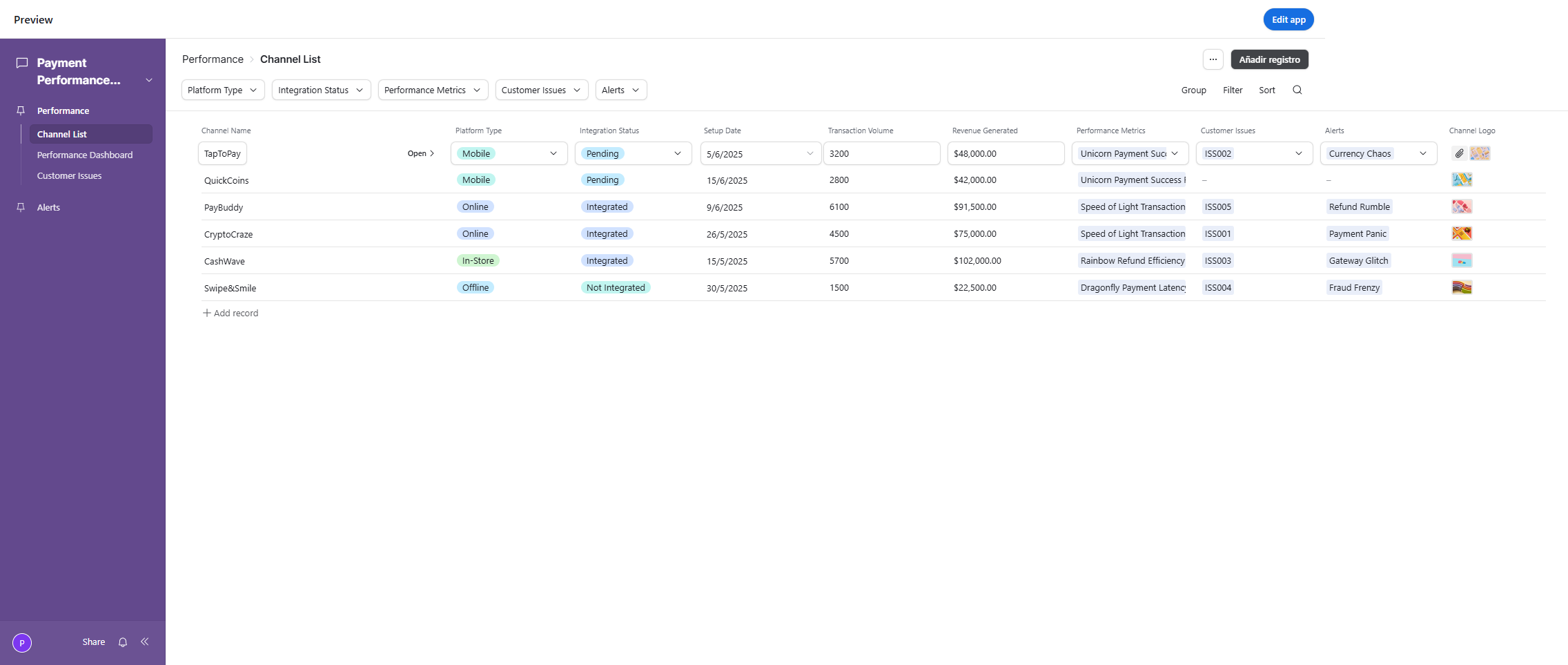
Airtable is a no-code app-building platform combining spreadsheet-style simplicity with robust features like automation, integrations, and customizable workflows. It excels for marketers, designers, and project managers needing data collaboration and task tracking. Compared to ClickUp or Asana, Airtable shines in personalization but may overwhelm new users and lacks advanced project management tools. Pricing starts free, scaling up based on usage, though costs can escalate. Customer support is reliable, and overall it offers excellent cost-effectiveness for mid-scale data organization.