Project management tools like , Notion, Basecamp, Lark, Slack, Asana and Trello.
AI chatbot tools like ChatGPT, Grok, Perplexity, Claude, Gemini and Copilot.
Marketing analytics platforms like Google Analytics, Similarweb and Semrush.
CRM systems like HubSpot, Apollo.io Pipedrive, Zoho CRM, and Salesforce.
VPNs, SSO providers, and password managers like NordVPN, Okta, and LastPass.
Email marketing and campaign tools like MailerLite, Instantly, and Mailchimp.
Website builders, hosting tools like Hostinger, Webflow, Framer, and Shopify
HR and recruiting software like ATS platforms, BambooHR, Workday, and Lever.
Automate finances with confidence like Quickbooks, Stripe, Brex, and Mercury.
Design and editing tools like Figma, Canva, Adobe Creative Cloud, CapCut.
Workflow automation tools like Zapier, Make, Clay, and Reclaim.ai.
No-code and AI-native dev tools like Cursor, Windsurf, Lovable and Bubble.

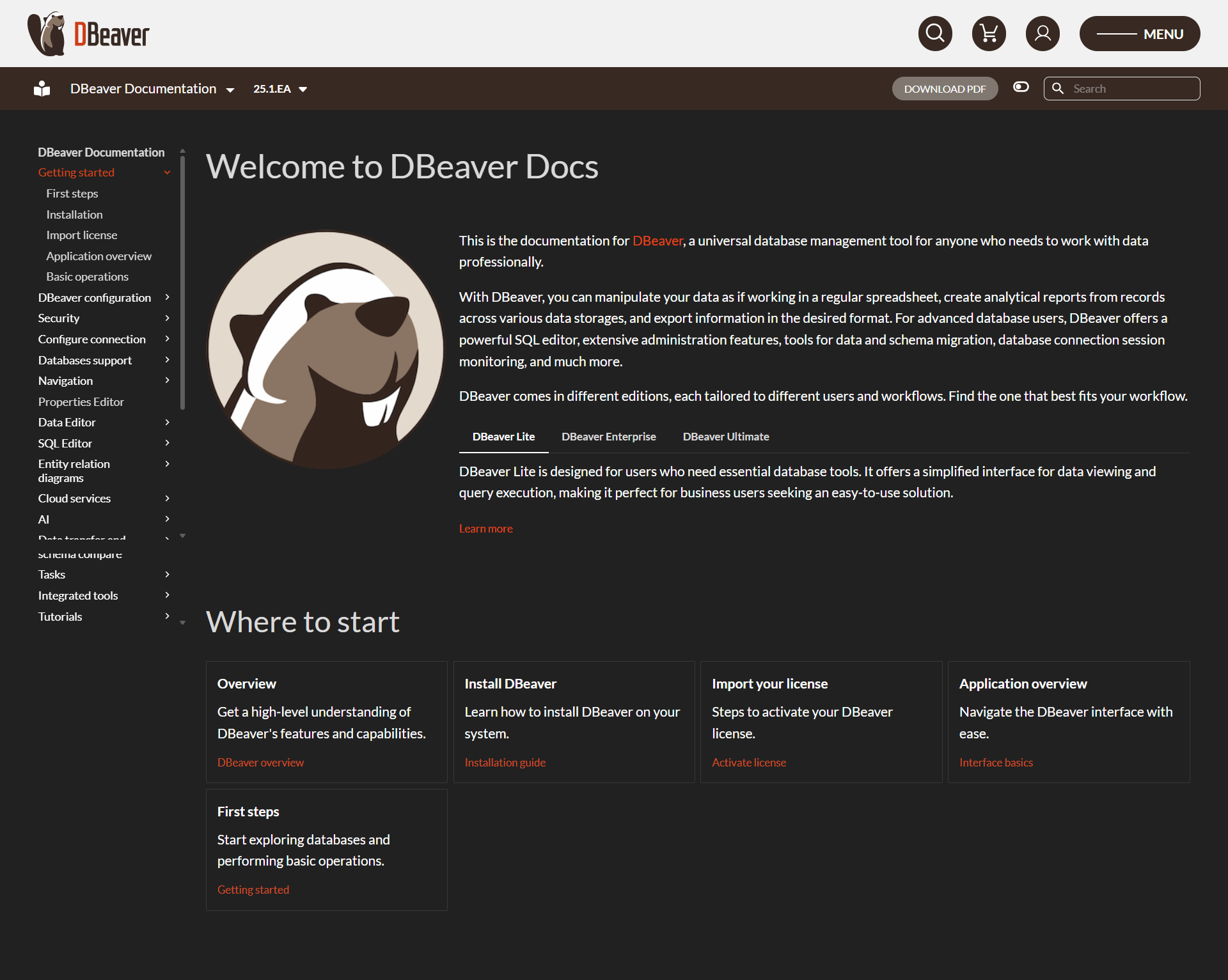
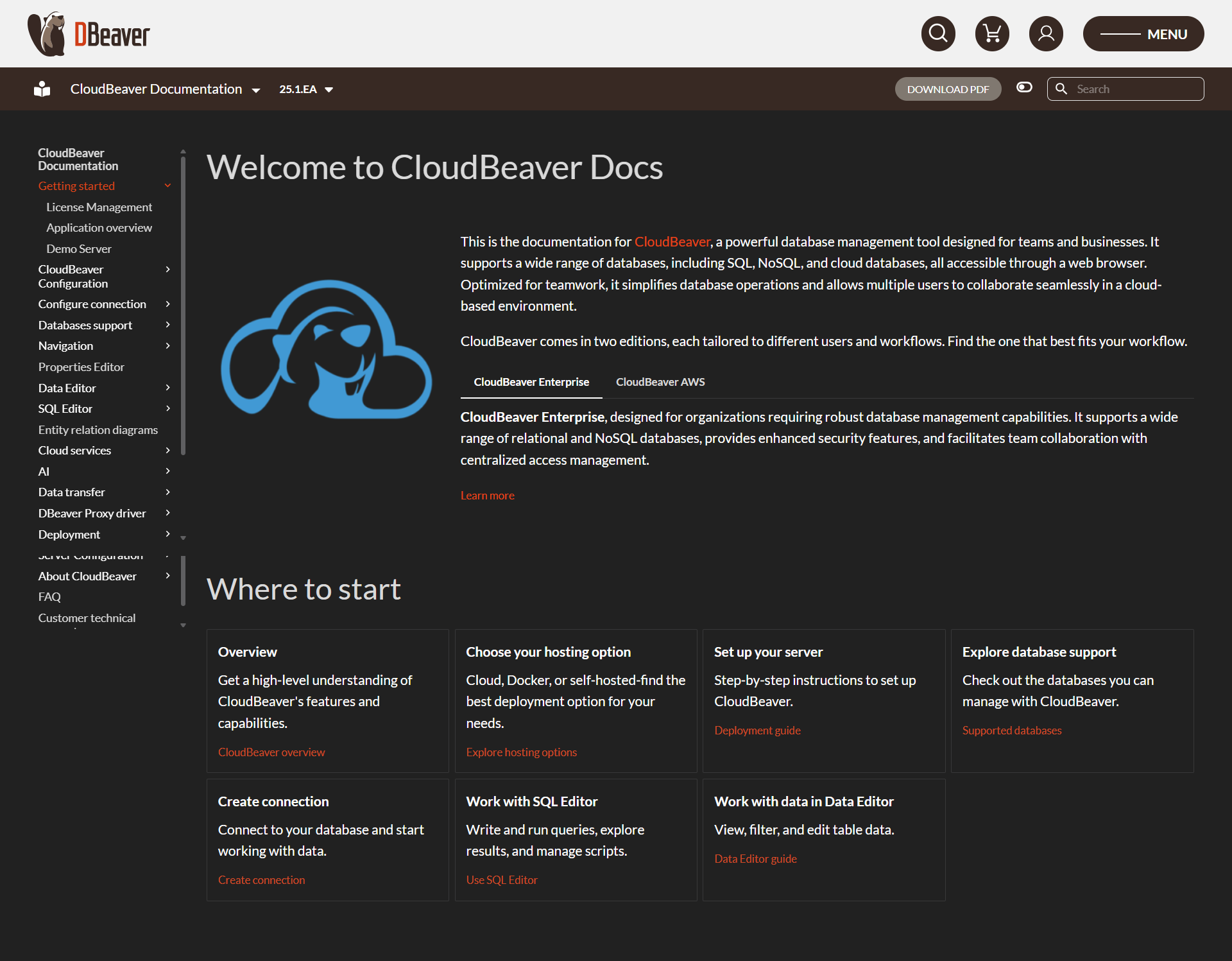
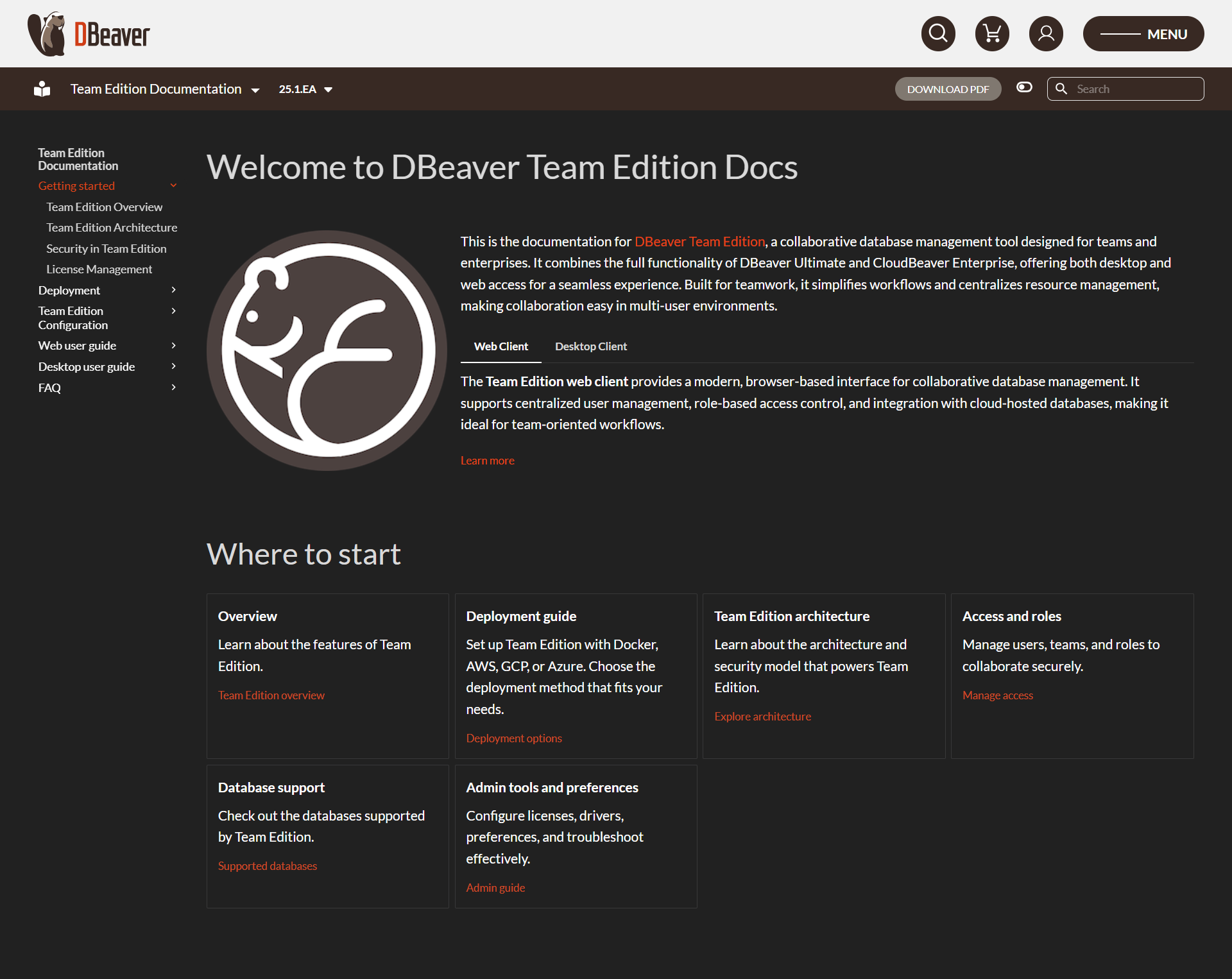
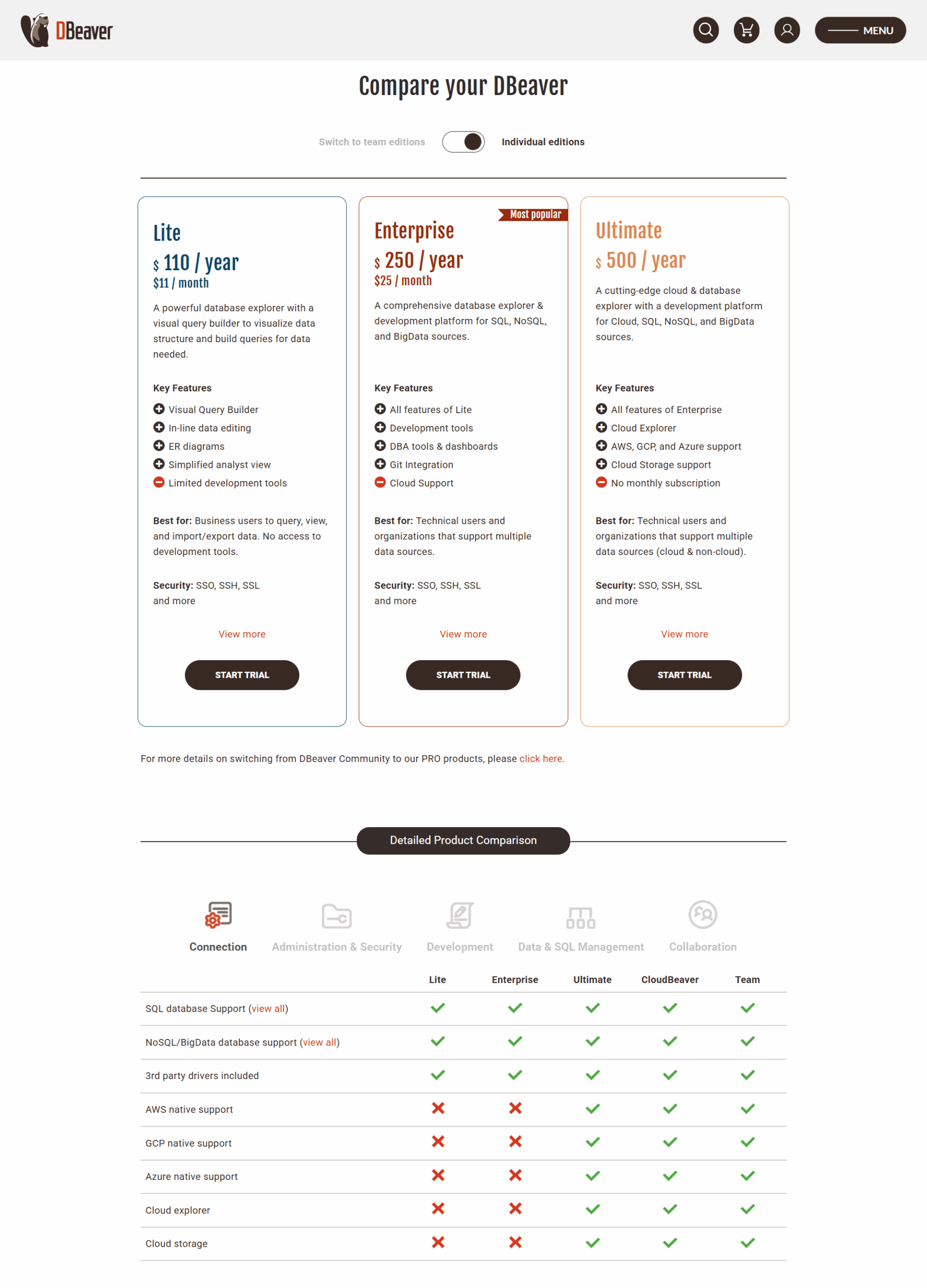
DBeaver is a robust database management tool ideal for developers, data analysts, and DBAs handling SQL, NoSQL, or cloud databases. Key features include multi-database connectivity, data visualization, ER diagrams, automation, and high-level security. Pricing is competitive, starting at $10/month for the Pro version, with a free community edition available. Compared to alternatives like DataGrip and DbVisualizer, it offers more database integrations and better cost-effectiveness but has a steeper learning curve. Customer support is responsive, with frequent updates. While powerful for professionals, non-technical users might find its interface overwhelming. Overall, DBeaver is a cost-effective, feature-rich tool for database operations.
MySQL is a robust, open-source relational database management system widely used for web development, analytics, and enterprise applications. Key features include advanced indexing, scalability, security, cross-platform compatibility, and ACID compliance. It is cost-effective with editions starting at $2,000 per year, ensuring scalability for small to large projects.
Compared to PostgreSQL, MySQL is easier for beginners but lacks advanced features required for analytics. While developers appreciate its flexibility and strong community support, marketers and designers might find it less intuitive due to its query-based structure. It excels in handling smaller to medium datasets, but alternatives like Microsoft SQL Server or Amazon RDS perform better under heavy, complex workloads.
Customer support varies, with paid versions offering better service. Its value for money and reliability make MySQL suitable for startups and SMEs.