Project management tools like , Notion, Basecamp, Lark, Slack, Asana and Trello.
AI chatbot tools like ChatGPT, Grok, Perplexity, Claude, Gemini and Copilot.
Marketing analytics platforms like Google Analytics, Similarweb and Semrush.
CRM systems like HubSpot, Apollo.io Pipedrive, Zoho CRM, and Salesforce.
VPNs, SSO providers, and password managers like NordVPN, Okta, and LastPass.
Email marketing and campaign tools like MailerLite, Instantly, and Mailchimp.
Website builders, hosting tools like Hostinger, Webflow, Framer, and Shopify
HR and recruiting software like ATS platforms, BambooHR, Workday, and Lever.
Automate finances with confidence like Quickbooks, Stripe, Brex, and Mercury.
Design and editing tools like Figma, Canva, Adobe Creative Cloud, CapCut.
Workflow automation tools like Zapier, Make, Clay, and Reclaim.ai.
No-code and AI-native dev tools like Cursor, Windsurf, Lovable and Bubble.

Bird’s main strength is its unified approach. Instead of using separate tools for email, SMS, chat, and CRM, businesses can manage everything in one platform. This reduces fragmentation and improves consistency across customer interactions.
However, the platform can become complex as usage grows. Pricing varies based on channels and volume, and advanced features often require deeper technical implementation. For smaller teams, simpler tools may be easier to adopt and manage.
Overall, Bird is best suited for companies that need scalable, multi-channel communication with strong automation and global reach.
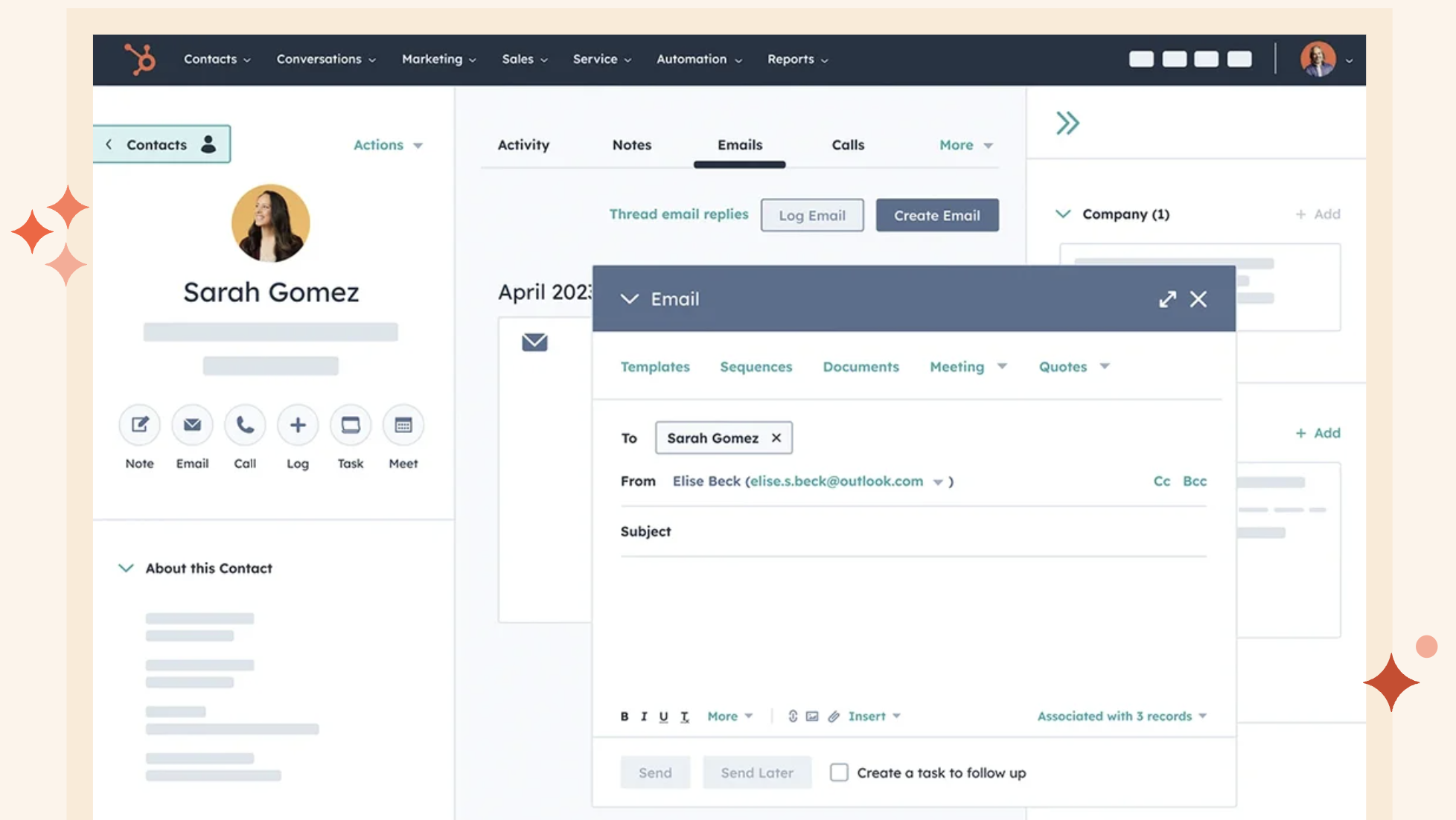
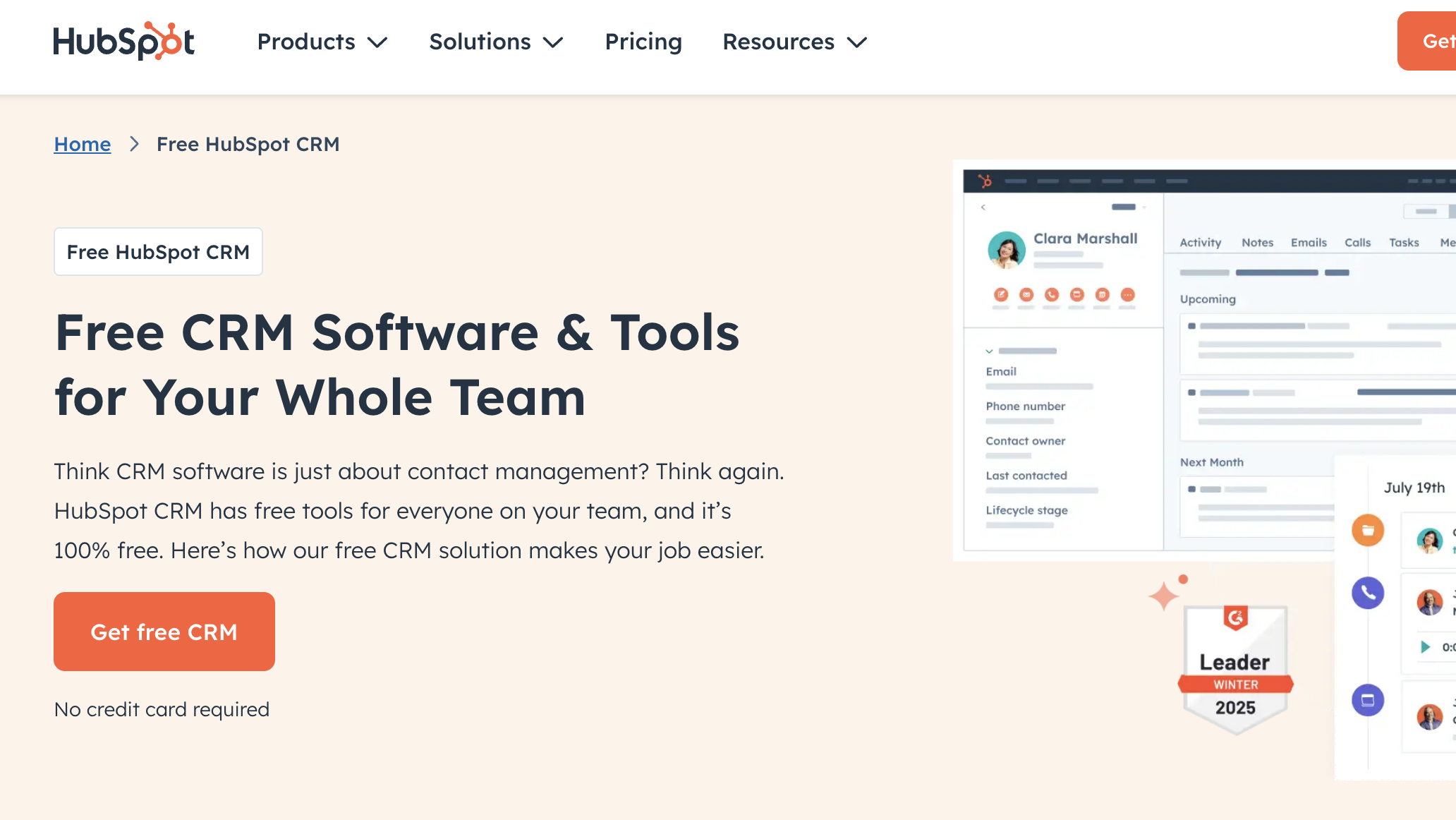
HubSpot CRM is a robust tool for managing marketing, sales, and customer service workflows, ideal for marketers, small businesses, and sales teams. Key features include email tracking, automation, lead management, and a centralized dashboard. Its intuitive free plan makes it accessible, while premium tiers (starting at $20/month) offer advanced functionality. Compared to Salesforce or Zoho CRM, HubSpot is more user-friendly but can become expensive as needs scale. Customer support is solid, but some features are locked behind higher tiers. It’s cost-effective for startups but less competitive for large enterprises needing deep customization.