Project management tools like , Notion, Basecamp, Lark, Slack, Asana and Trello.
AI chatbot tools like ChatGPT, Grok, Perplexity, Claude, Gemini and Copilot.
Marketing analytics platforms like Google Analytics, Similarweb and Semrush.
CRM systems like HubSpot, Apollo.io Pipedrive, Zoho CRM, and Salesforce.
VPNs, SSO providers, and password managers like NordVPN, Okta, and LastPass.
Email marketing and campaign tools like MailerLite, Instantly, and Mailchimp.
Website builders, hosting tools like Hostinger, Webflow, Framer, and Shopify
HR and recruiting software like ATS platforms, BambooHR, Workday, and Lever.
Automate finances with confidence like Quickbooks, Stripe, Brex, and Mercury.
Design and editing tools like Figma, Canva, Adobe Creative Cloud, CapCut.
Workflow automation tools like Zapier, Make, Clay, and Reclaim.ai.
No-code and AI-native dev tools like Cursor, Windsurf, Lovable and Bubble.

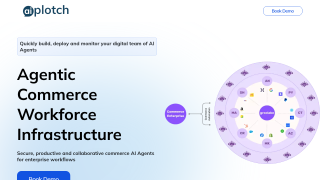
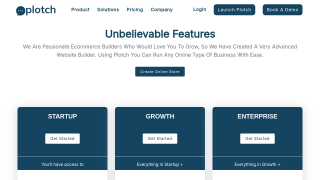
Plotch is an AI-driven eCommerce ERP tailored for small businesses. Its modular design includes website/app builders, chatbots, logistics, order management, and more, enabling rapid deployment of custom eCommerce solutions. It supports integration with Shopify or Magento and excels in affordability and modularity. However, challenges like inconsistent customer support, slower server speeds, and occasional bugs can impact efficiency.
Compared to competitors like NetSuite and Shopify, Plotch offers attractive pricing and design flexibility but lacks robust scalability for larger enterprises or advanced features. It suits emerging eCommerce businesses, particularly for retailers or fashion brands, seeking cost-effective multi-channel solutions. For developers, customization options are available but require technical finesse due to its complexity.
Customer support is inconsistent, and response times may delay critical fixes. Despite this, its affordability provides good value for basic to intermediate business needs.
NetSuite, a leading cloud-based ERP, offers tailored solutions for finance, ecommerce, HR, and inventory management. Known for scalability, real-time data, robust customization, and integration capabilities, it suits mid-to-large businesses across industries. Compared to alternatives like Sage Intacct and Odoo, it excels in flexibility but lags in usability for small teams due to steep learning curves and high costs. Strong customer support and diverse tools enhance value but at a premium price. Ideal for firms prioritizing comprehensive ERP solutions over budget constraints.