Project management tools like , Notion, Basecamp, Lark, Slack, Asana and Trello.
AI chatbot tools like ChatGPT, Grok, Perplexity, Claude, Gemini and Copilot.
Marketing analytics platforms like Google Analytics, Similarweb and Semrush.
CRM systems like HubSpot, Apollo.io Pipedrive, Zoho CRM, and Salesforce.
VPNs, SSO providers, and password managers like NordVPN, Okta, and LastPass.
Email marketing and campaign tools like MailerLite, Instantly, and Mailchimp.
Website builders, hosting tools like Hostinger, Webflow, Framer, and Shopify
HR and recruiting software like ATS platforms, BambooHR, Workday, and Lever.
Automate finances with confidence like Quickbooks, Stripe, Brex, and Mercury.
Design and editing tools like Figma, Canva, Adobe Creative Cloud, CapCut.
Workflow automation tools like Zapier, Make, Clay, and Reclaim.ai.
No-code and AI-native dev tools like Cursor, Windsurf, Lovable and Bubble.

PrestoAPI Overview:
PrestoAPI is a no-code, cloud-based platform that enables developers to instantly generate REST APIs from various data sources, eliminating backend work for mobile, web, and IoT apps. With an ease-of-use rating of 4.9 and pricing starting at $49/month (free plan available), it accelerates development by halving setup time.
Comparison:
Compared to alternatives like Postman (more suited for API testing) or complex tools like MuleSoft, PrestoAPI stands out with its simplicity and focus on API generation. However, it lacks advanced database connection features found in comprehensive platforms.
User Group:
Ideal for frontend developers and no-coders seeking quick API deployment without backend expertise.
Customer Support & Value:
With high customer service ratings (4.9), responsive support, and cost-effectiveness, it’s perfect for small teams or startups.
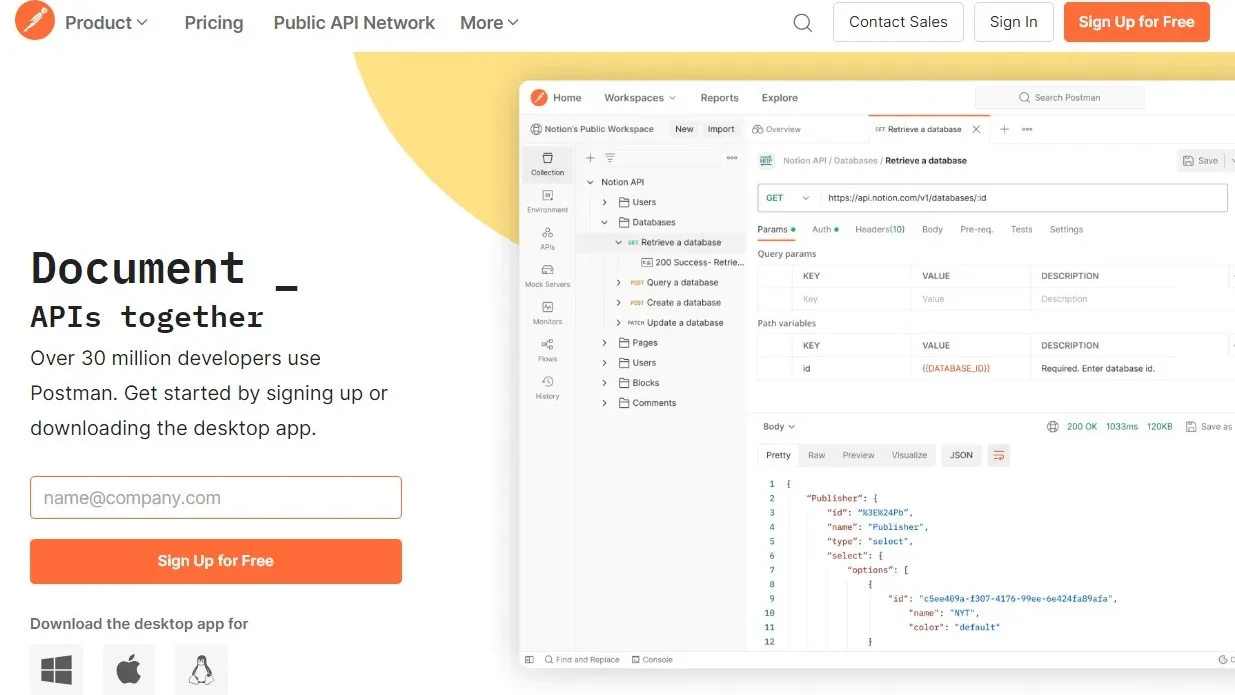
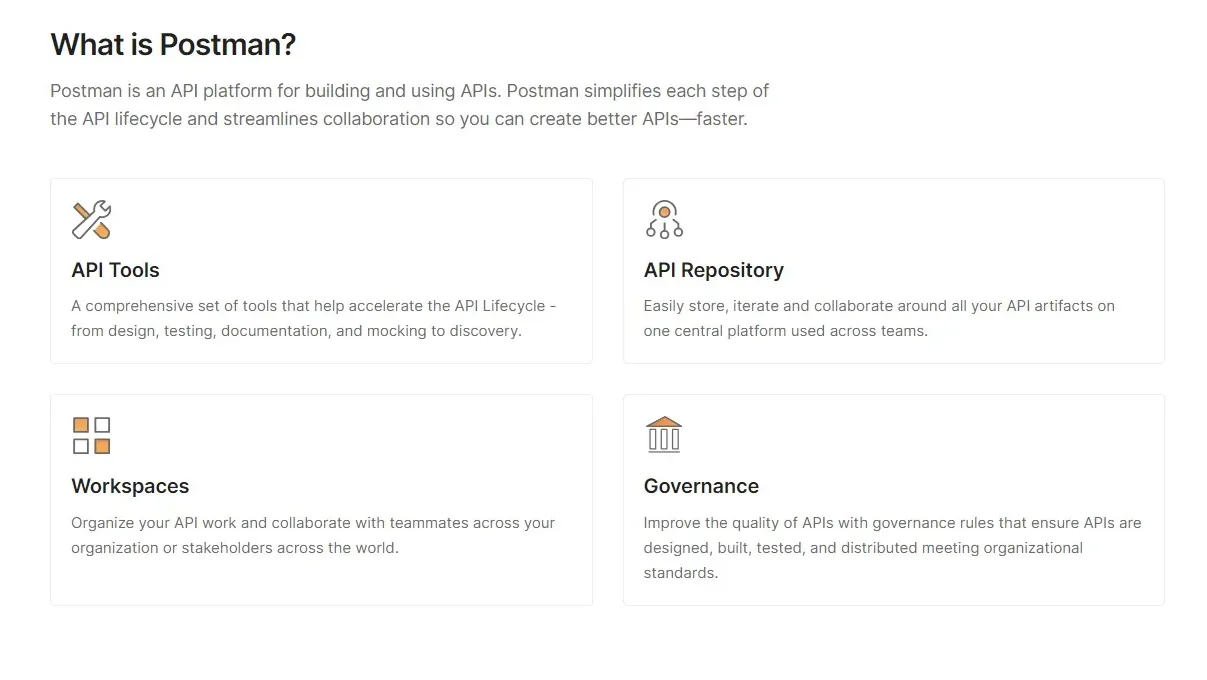
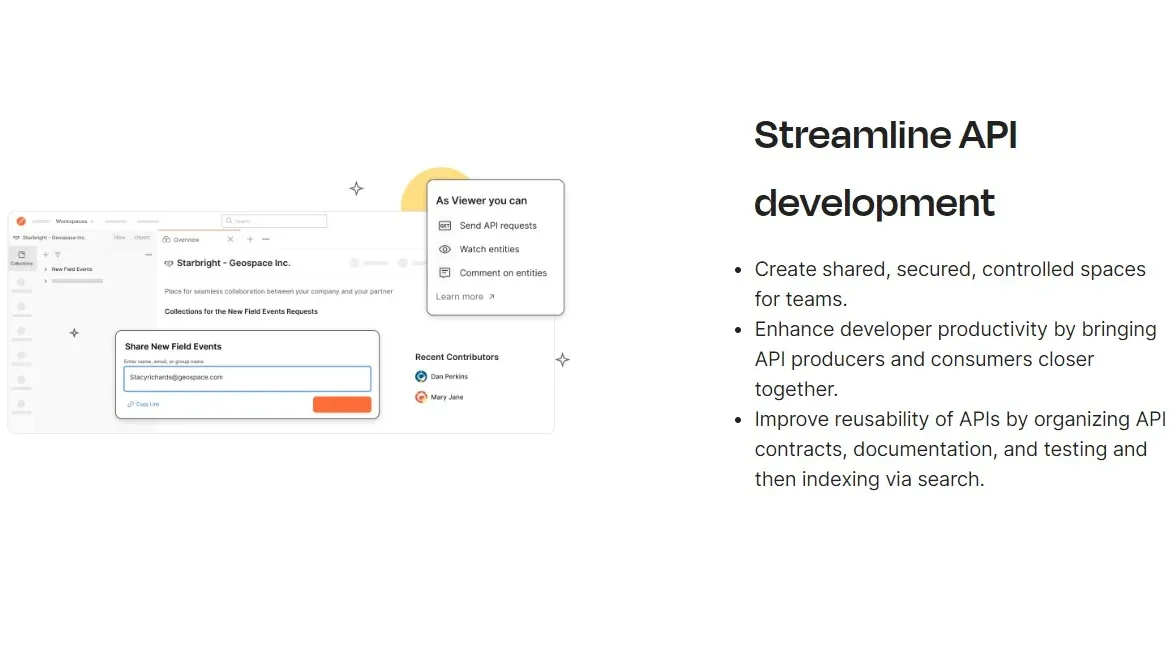
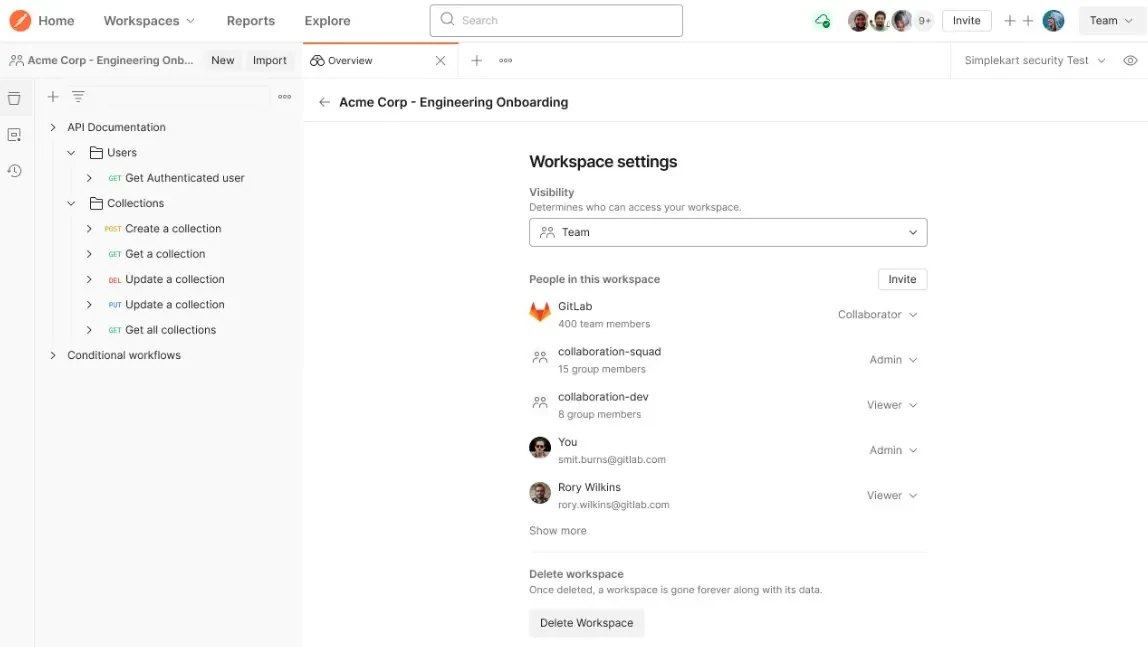
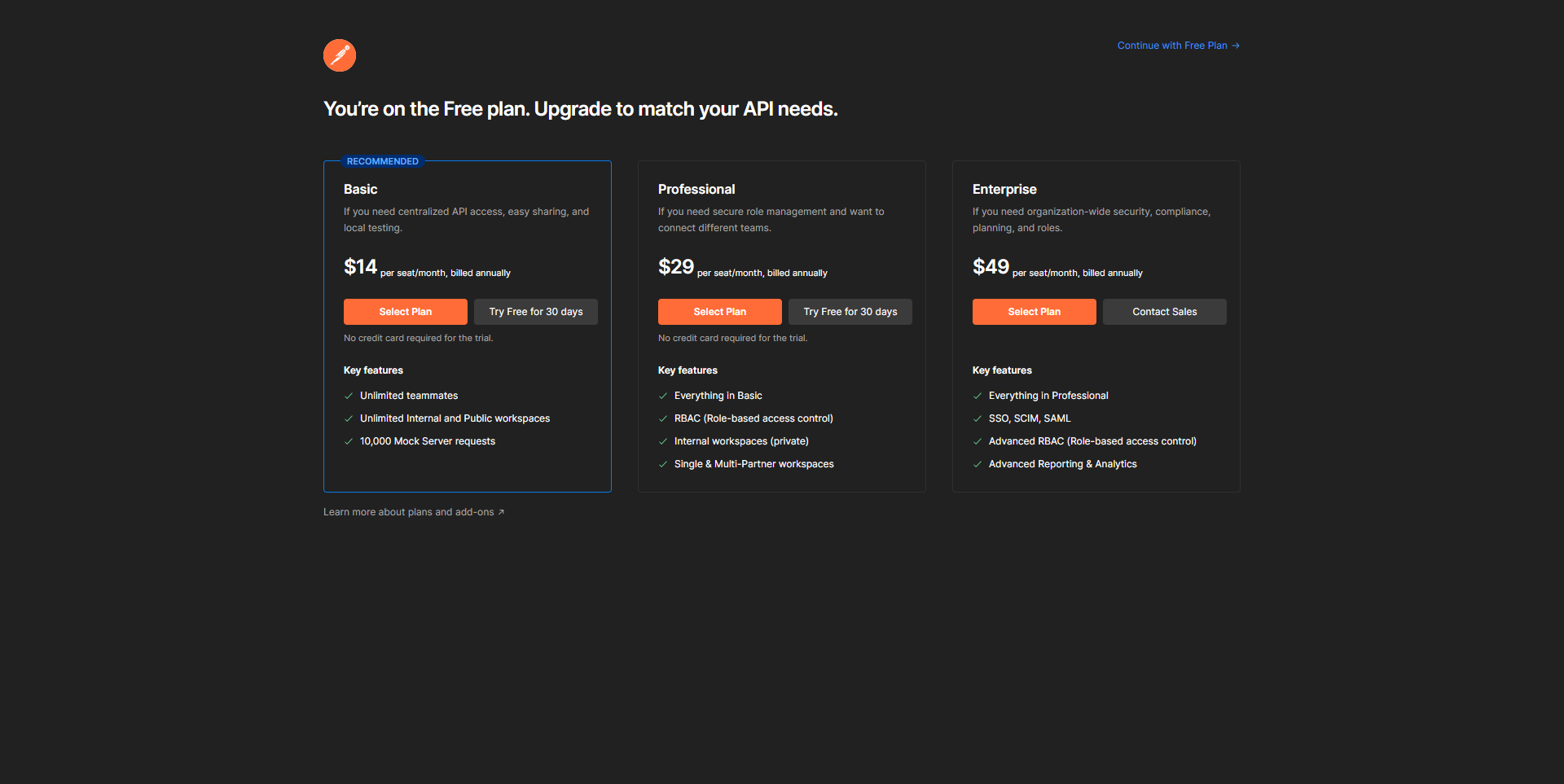
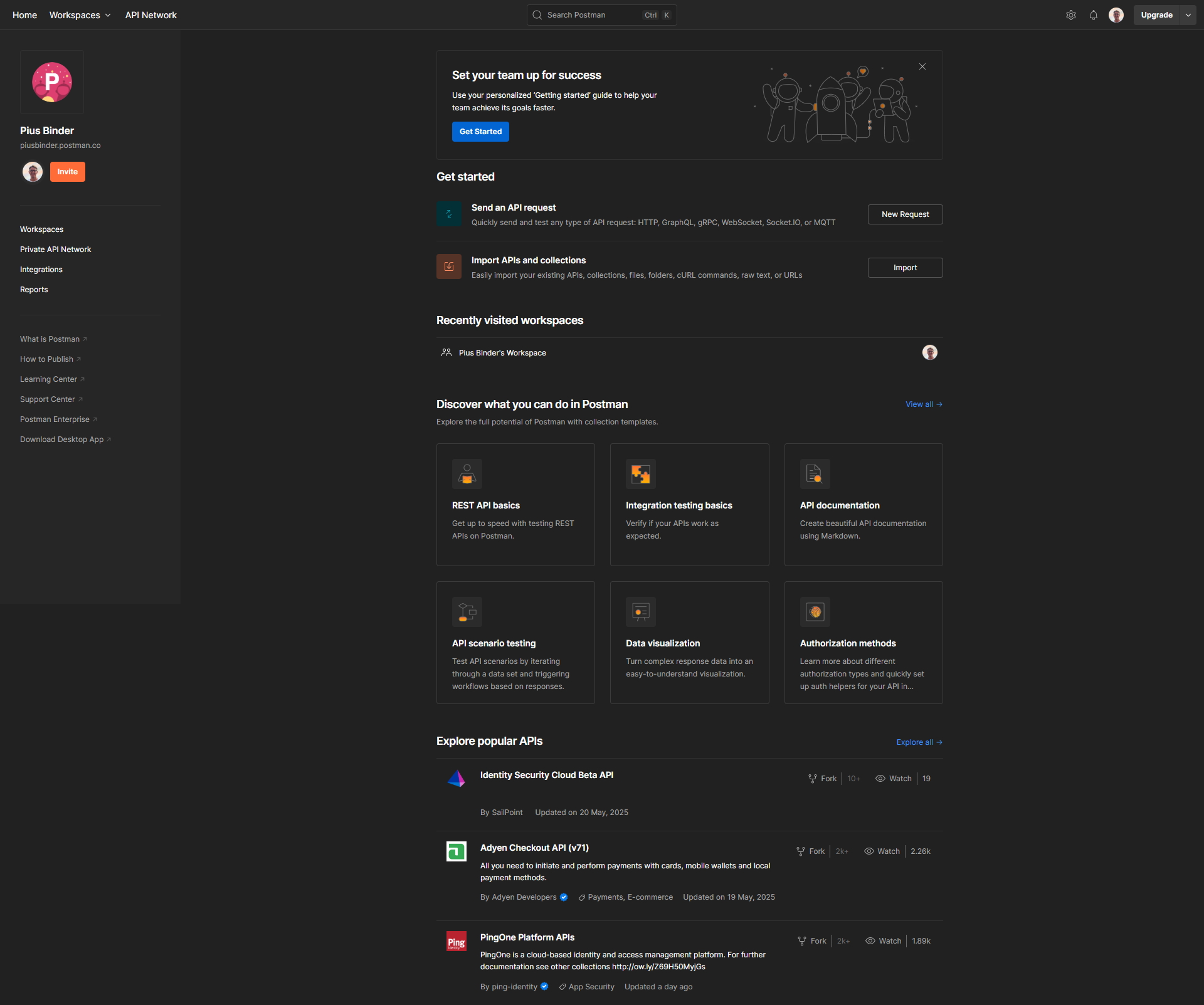
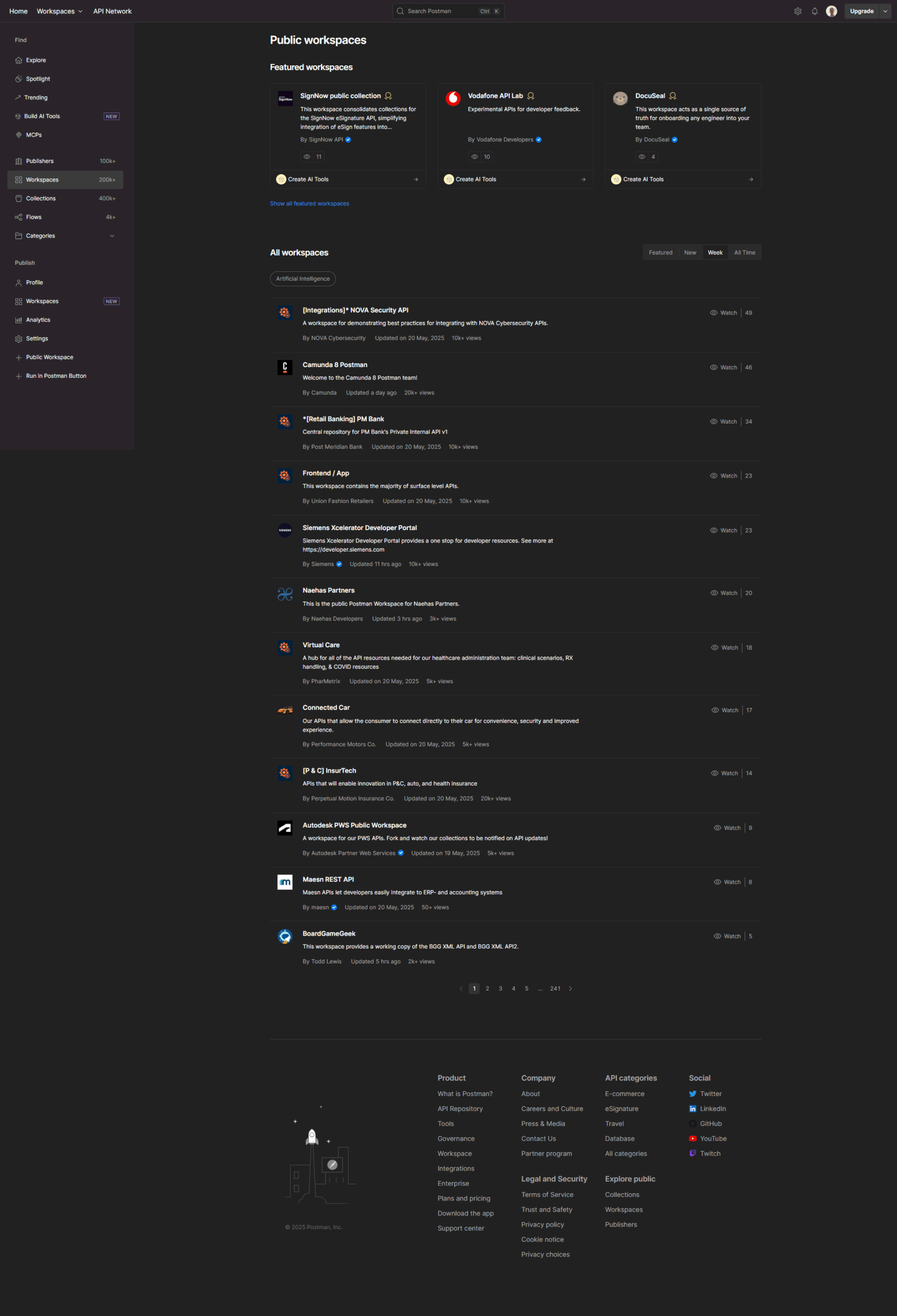
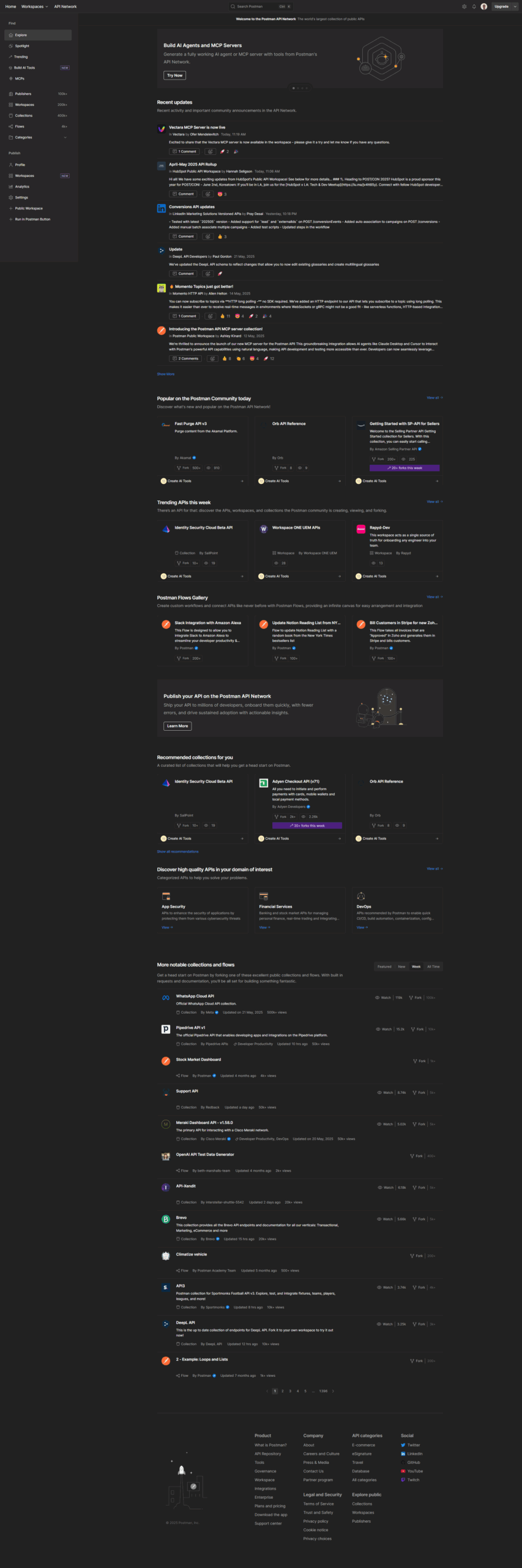
Postman is a widely used API platform for developers, enabling efficient API design, documentation, testing, and collaboration. Key features include robust testing tools, automation, and real-time team workspaces. Postman stands out for its user-friendly interface and support for REST, SOAP, and GraphQL. Pricing ranges from free for individuals to $49/user/month for enterprise solutions. Compared to alternatives like SwaggerHub or SoapUI, Postman excels in ease of use and team collaboration but may struggle with large datasets and debugging. Supported by an active community, its cost-effectiveness makes it ideal for developers and QA teams.