Project management tools like , Notion, Basecamp, Lark, Slack, Asana and Trello.
AI chatbot tools like ChatGPT, Grok, Perplexity, Claude, Gemini and Copilot.
Marketing analytics platforms like Google Analytics, Similarweb and Semrush.
CRM systems like HubSpot, Apollo.io Pipedrive, Zoho CRM, and Salesforce.
VPNs, SSO providers, and password managers like NordVPN, Okta, and LastPass.
Email marketing and campaign tools like MailerLite, Instantly, and Mailchimp.
Website builders, hosting tools like Hostinger, Webflow, Framer, and Shopify
HR and recruiting software like ATS platforms, BambooHR, Workday, and Lever.
Automate finances with confidence like Quickbooks, Stripe, Brex, and Mercury.
Design and editing tools like Figma, Canva, Adobe Creative Cloud, CapCut.
Workflow automation tools like Zapier, Make, Clay, and Reclaim.ai.
No-code and AI-native dev tools like Cursor, Windsurf, Lovable and Bubble.

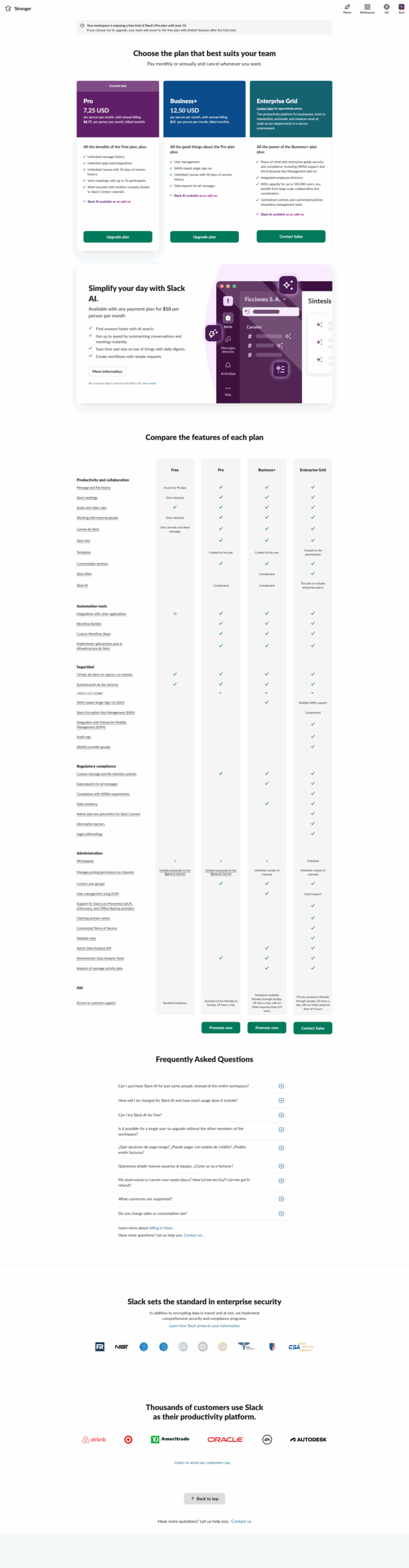
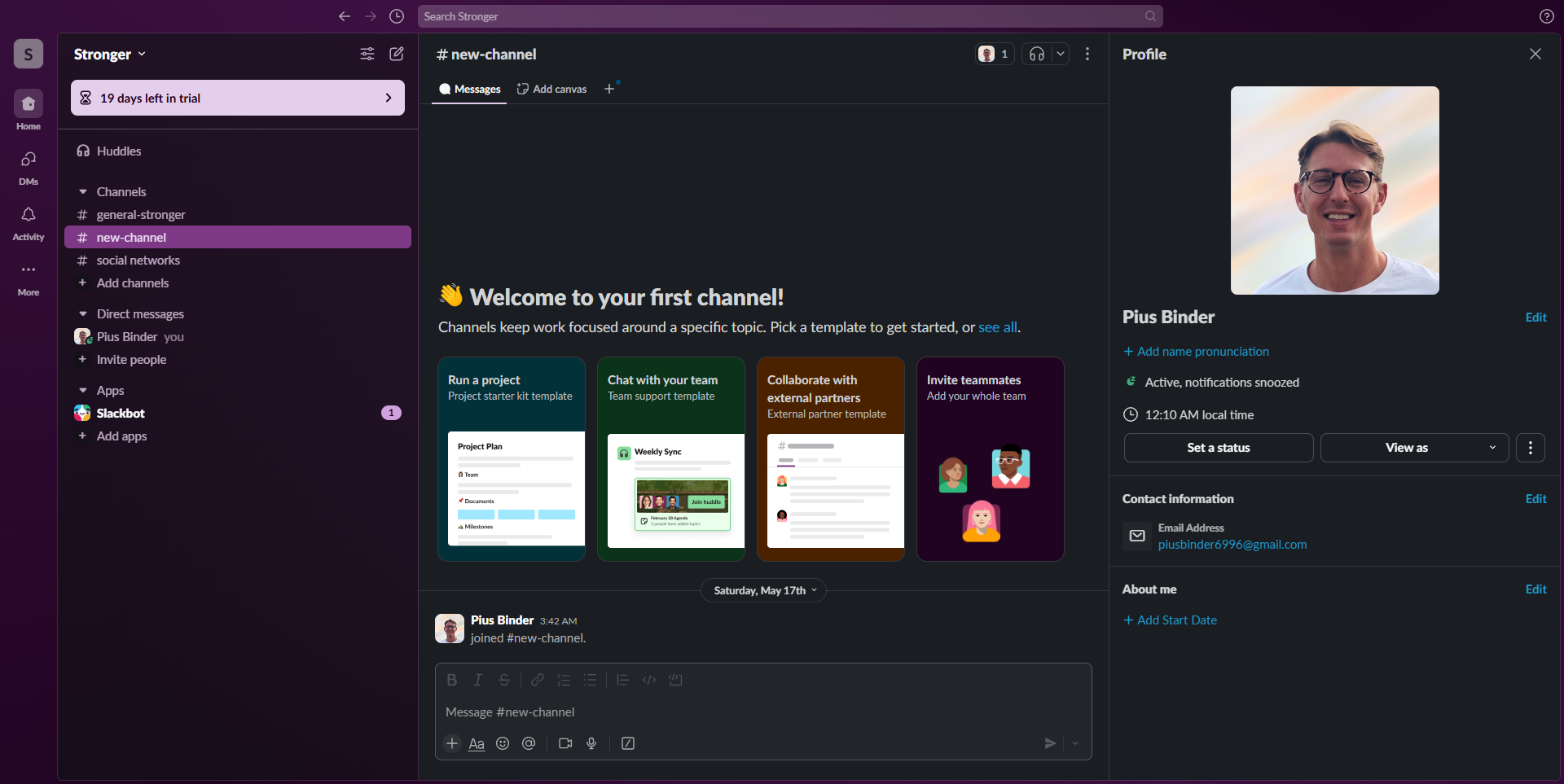
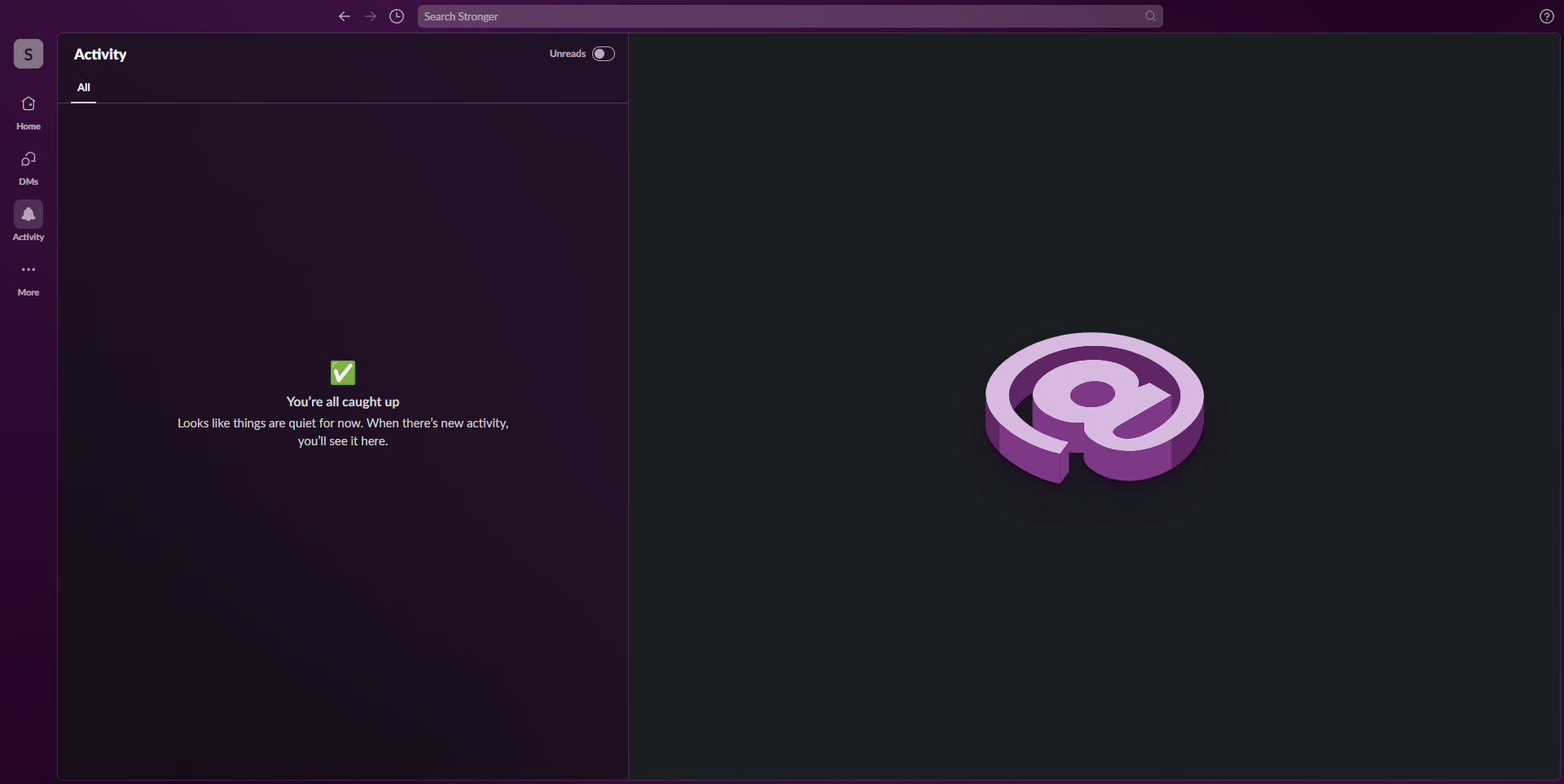
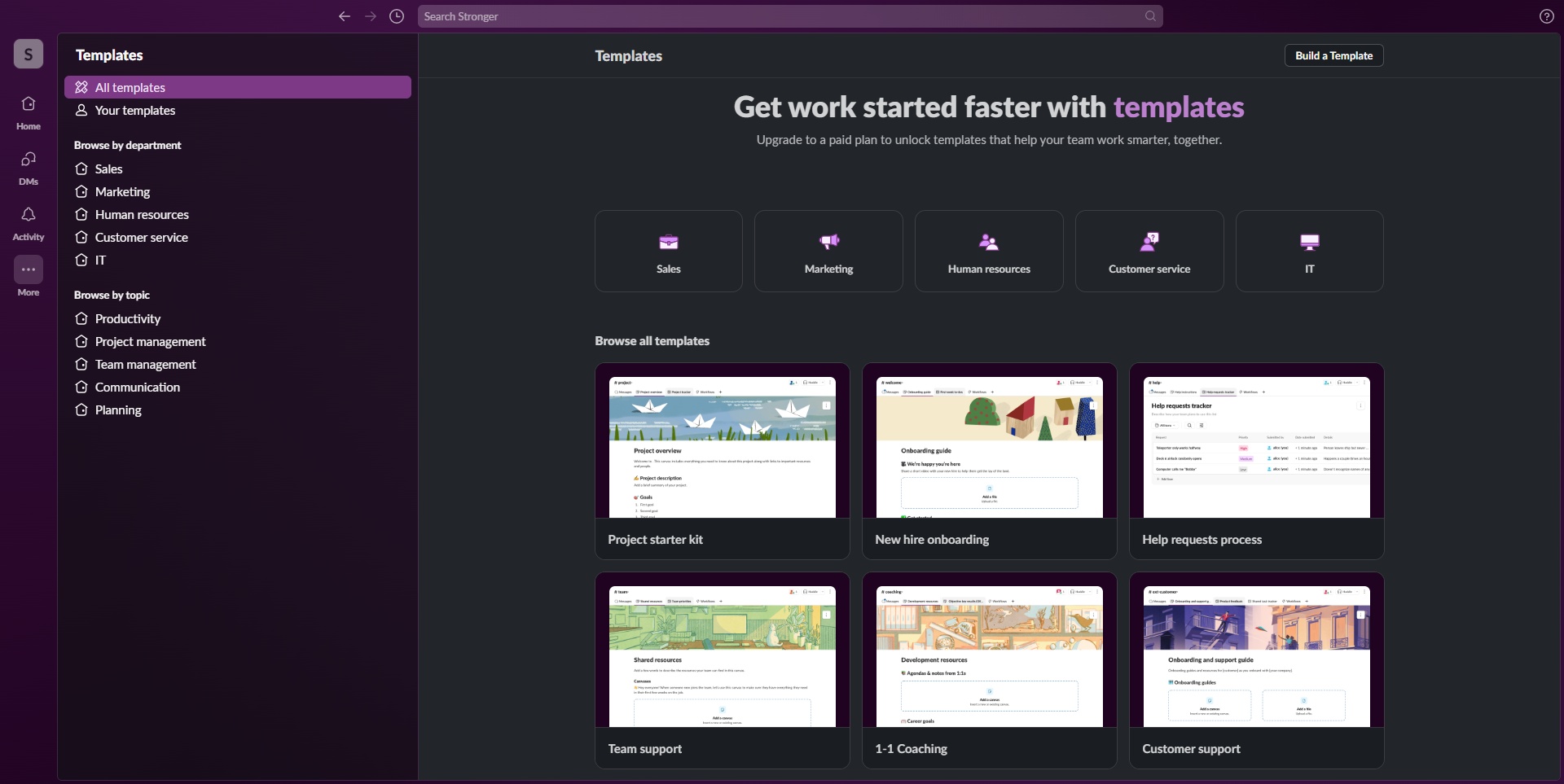
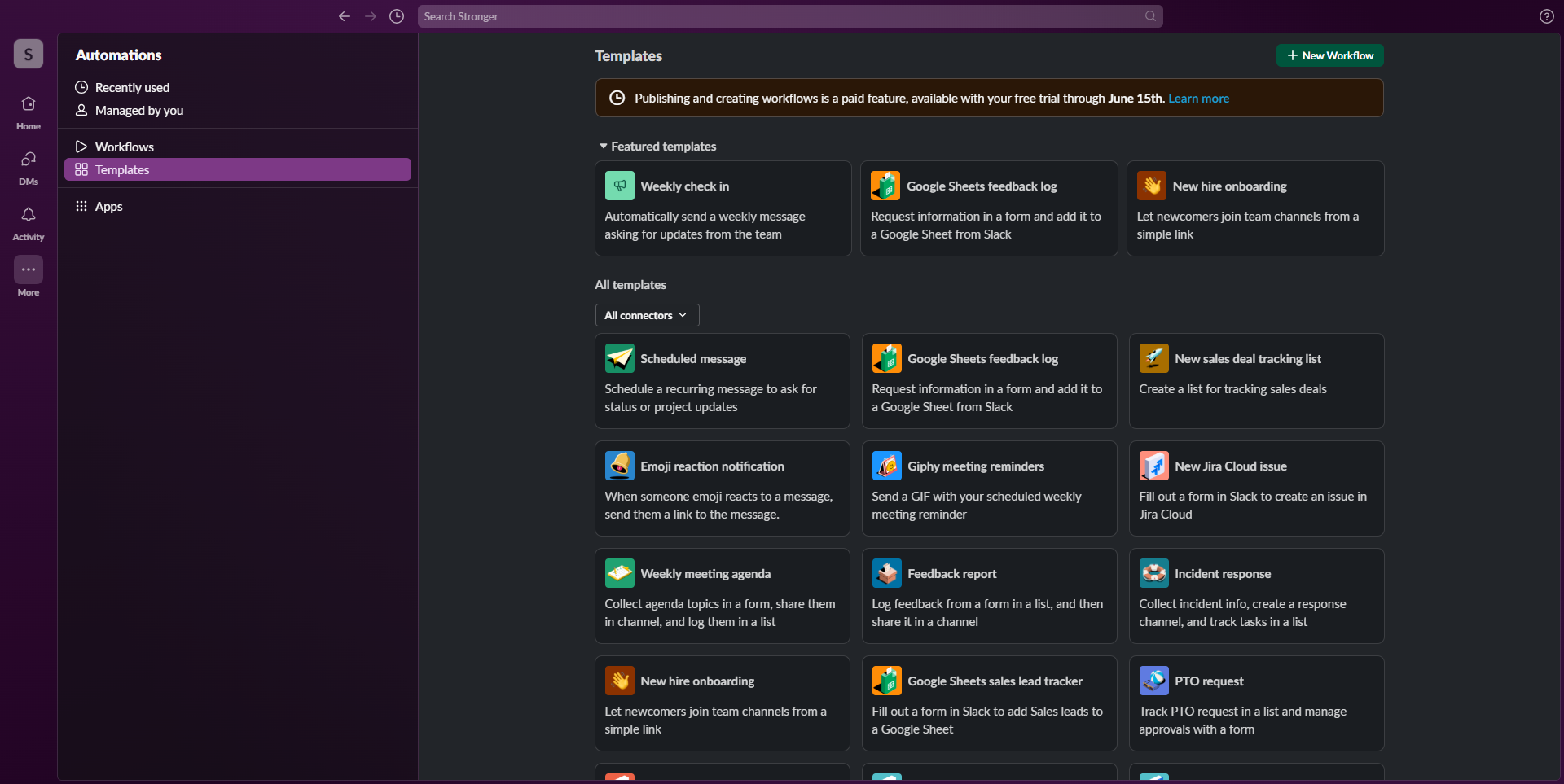
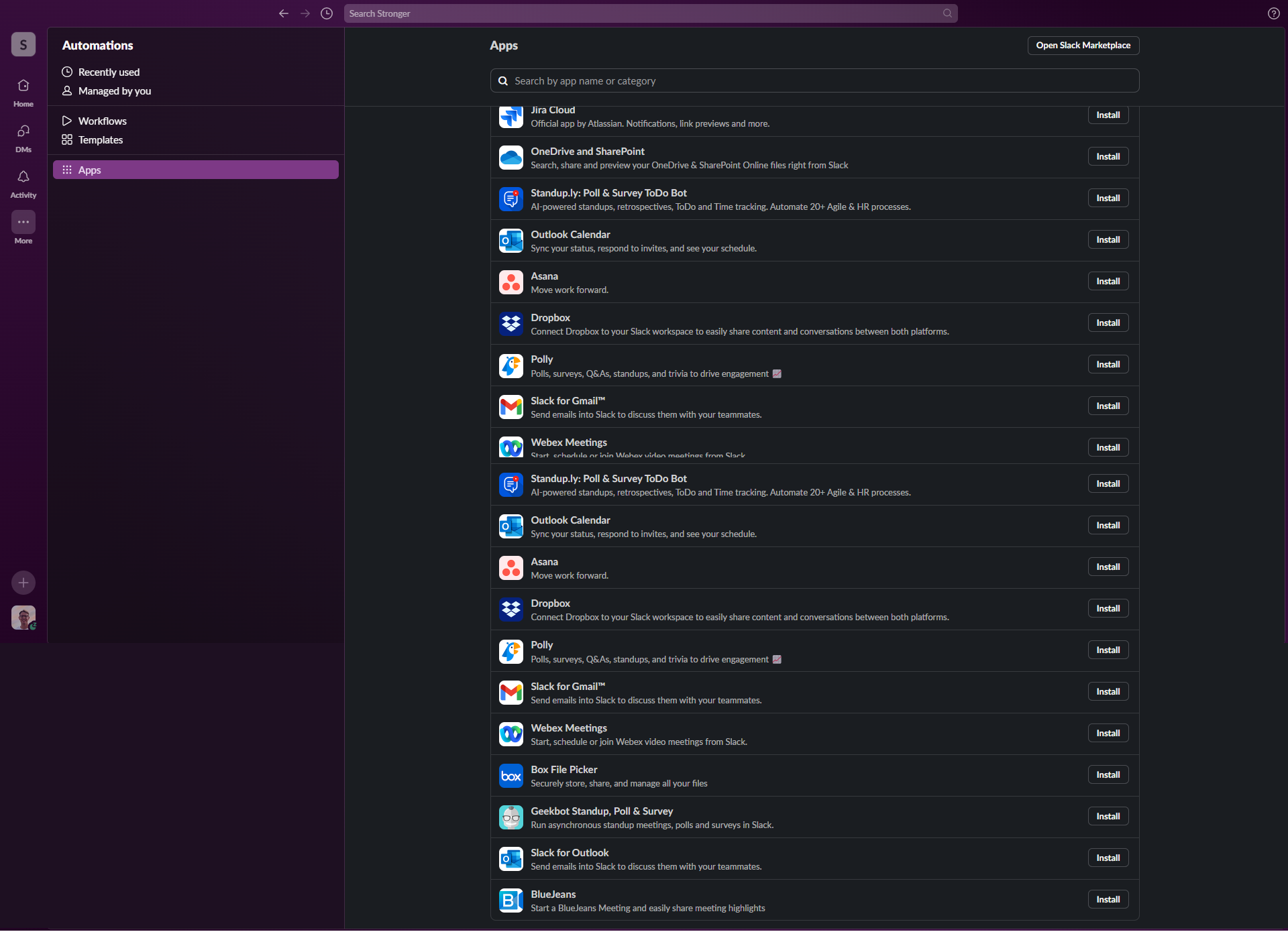
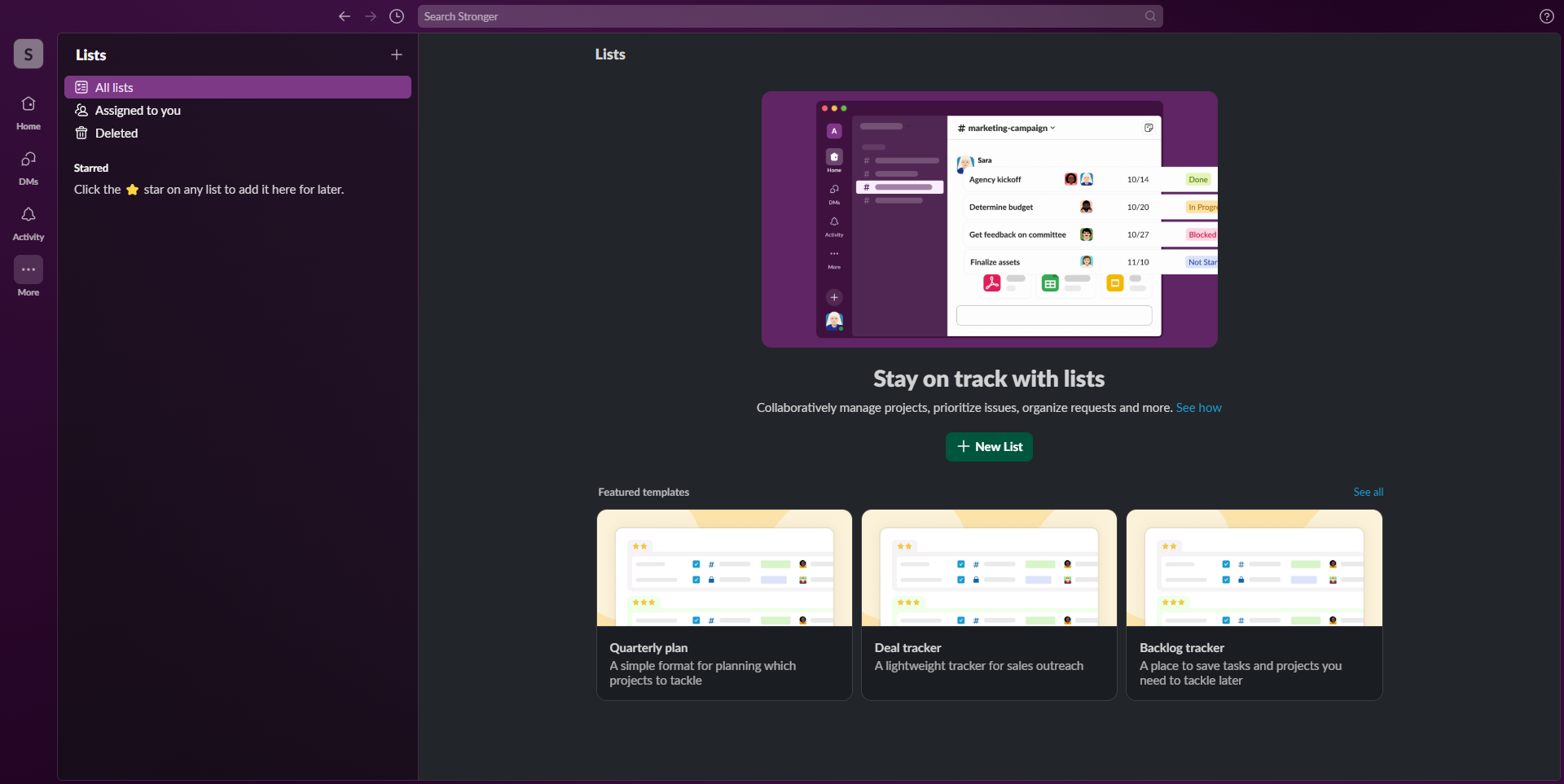
Slack is a leading business communication tool offering real-time messaging, voice/video calls, file sharing, and extensive app integrations, supporting designers, developers, and marketers alike. With channels for team collaboration, customizable notifications, Slack Huddles, and an AI-powered search, it simplifies workflows. Pricing includes Free, Standard ($6.67/user/month), Plus ($12.50/user/month), and Enterprise plans. Compared to alternatives like Microsoft Teams, Slack excels in user experience and integrations but can be costly. Its customer support is effective, though some features are paywalled. For SMEs and remote teams, Slack is highly beneficial but may overwhelm larger organizations without proper structure.
Microsoft Teams is a collaboration tool within Microsoft 365, combining chat, file sharing, video conferencing, and calendar integration. Key features include screen sharing, meeting recording, and seamless integration with Office apps. With plans starting at $4.80/user/month, Teams is cost-effective, particularly for businesses using Microsoft 365. Developers and marketers benefit from its integrations and collaboration tools, though designers may find the interface less visually intuitive compared to Slack. Teams excels in enterprise features and security but can feel resource-heavy on devices. Customer support is rated well, with robust documentation. Its competitors, like Google Workspace and Slack, may offer simpler interfaces or better real-time collaboration but lack Teams’ extensive Microsoft ecosystem integration.