Project management tools like , Notion, Basecamp, Lark, Slack, Asana and Trello.
AI chatbot tools like ChatGPT, Grok, Perplexity, Claude, Gemini and Copilot.
Marketing analytics platforms like Google Analytics, Similarweb and Semrush.
CRM systems like HubSpot, Apollo.io Pipedrive, Zoho CRM, and Salesforce.
VPNs, SSO providers, and password managers like NordVPN, Okta, and LastPass.
Email marketing and campaign tools like MailerLite, Instantly, and Mailchimp.
Website builders, hosting tools like Hostinger, Webflow, Framer, and Shopify
HR and recruiting software like ATS platforms, BambooHR, Workday, and Lever.
Automate finances with confidence like Quickbooks, Stripe, Brex, and Mercury.
Design and editing tools like Figma, Canva, Adobe Creative Cloud, CapCut.
Workflow automation tools like Zapier, Make, Clay, and Reclaim.ai.
No-code and AI-native dev tools like Cursor, Windsurf, Lovable and Bubble.
Chat to find tools, compare options,
Discover the best-performing
Manage profile with subsig, and
unlock 23+ social and review monitoring. Get partnership options with
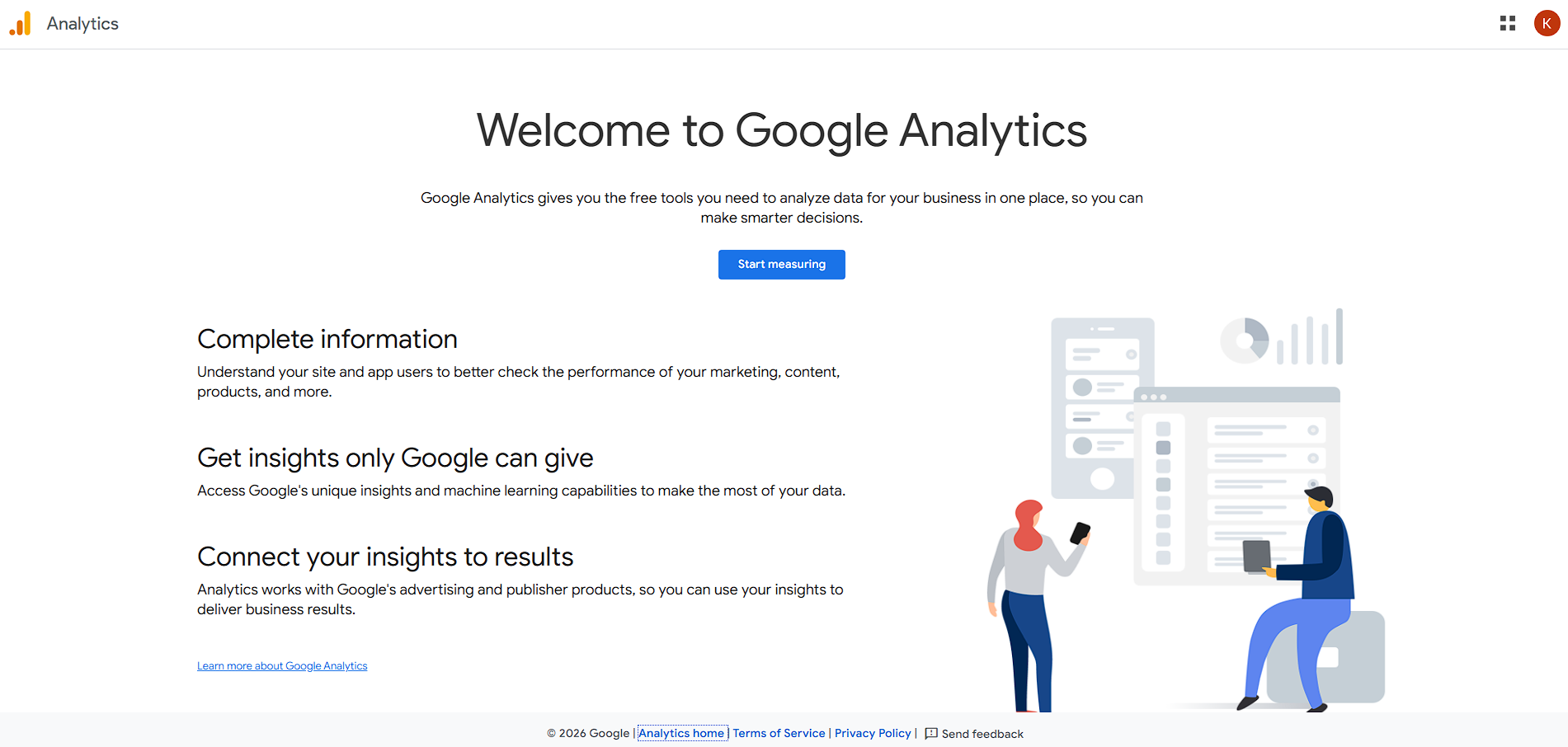
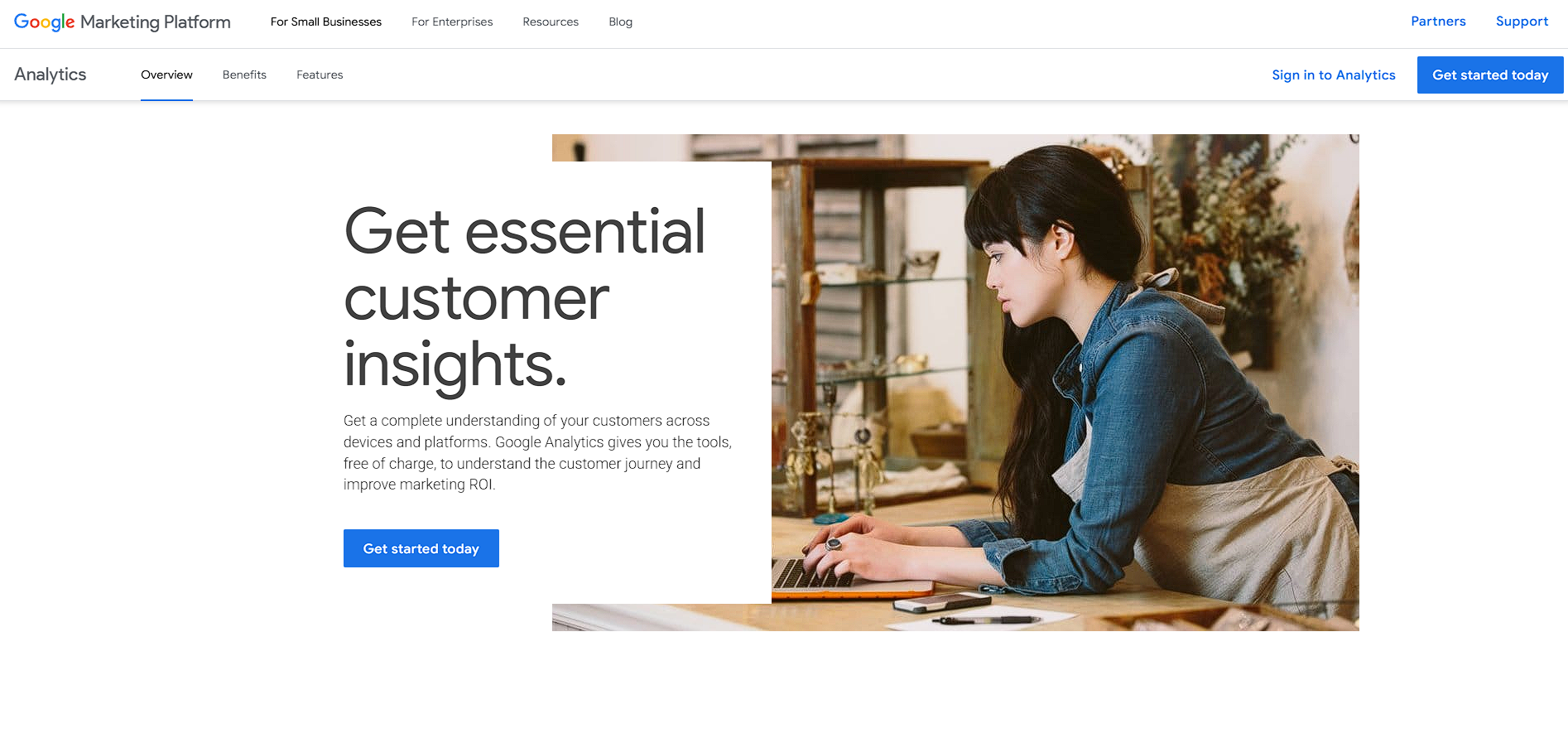
Google Analytics is one of the most widely used analytics platforms for tracking and analyzing website and app performance. It collects data about user interactions, such as page views, session duration, traffic sources, and conversions, giving businesses a clear view of how users engage with their digital properties.
The current version, Google Analytics 4 (GA4), represents a major shift from traditional analytics. It uses an event-based model and incorporates machine learning to provide predictive insights, audience segmentation, and cross-platform tracking across websites and mobile apps.
Positioned as a foundational tool for digital marketing and product analytics, Google Analytics is commonly used by startups, marketers, and enterprises. It helps optimize campaigns, improve user experience, and measure ROI across channels, making it essential for data-driven decision-making.
Key Features and Benefits
Who Can Benefit from Google Analytics
Looking for alternative solutions?
Alternatives include Plausible and Simple Analytics for privacy-focused tracking, Adobe Analytics for enterprise-level insights, and tools like Mixpanel or Amplitude for product analytics. Each varies in complexity, cost, and data privacy approach.
Google Analytics is one of the most widely used analytics platforms for tracking and analyzing website and app performance. It collects data about user interactions, such as page views, session duration, traffic sources, and conversions, giving businesses a clear view of how users engage with their digital properties.
The current version, Google Analytics 4 (GA4), represents a major shift from traditional analytics. It uses an event-based model and incorporates machine learning to provide predictive insights, audience segmentation, and cross-platform tracking across websites and mobile apps.
Positioned as a foundational tool for digital marketing and product analytics, Google Analytics is commonly used by startups, marketers, and enterprises. It helps optimize campaigns, improve user experience, and measure ROI across channels, making it essential for data-driven decision-making.
Key Features and Benefits
Who Can Benefit from Google Analytics
Looking for alternative solutions?
Alternatives include Plausible and Simple Analytics for privacy-focused tracking, Adobe Analytics for enterprise-level insights, and tools like Mixpanel or Amplitude for product analytics. Each varies in complexity, cost, and data privacy approach.
Learn what people say about Google Analytics
Google Analytics is one of the most widely used analytics platforms for tracking and analyzing website and app performance. It collects data about user interactions, such as page views, session duration, traffic sources, and conversions, giving businesses a clear view of how users engage with their digital properties.
The current version, Google Analytics 4 (GA4), represents a major shift from traditional analytics. It uses an event-based model and incorporates machine learning to provide predictive insights, audience segmentation, and cross-platform tracking across websites and mobile apps.
Positioned as a foundational tool for digital marketing and product analytics, Google Analytics is commonly used by startups, marketers, and enterprises. It helps optimize campaigns, improve user experience, and measure ROI across channels, making it essential for data-driven decision-making.
Key Features and Benefits
Who Can Benefit from Google Analytics
Looking for alternative solutions?
Alternatives include Plausible and Simple Analytics for privacy-focused tracking, Adobe Analytics for enterprise-level insights, and tools like Mixpanel or Amplitude for product analytics. Each varies in complexity, cost, and data privacy approach.
Want to list your product on Subscribed.fyi? Create a profile to reach more buyers.